Plus by APN | Interventional Psychiatry & Neurotech
When Conventional Treatment Isn't Enough
Plus by APN offers advanced interventional psychiatry in a supportive, resort-quality setting, ideal for those who haven’t found relief with medications, therapy, or standard care. If you’re looking for new solutions when standard treatments haven’t worked, Plus by APN provides advanced, evidence-based options designed to address even the most complex cases. Explore our specialized interventions below.
Connect with our Admissions team today for a free consultation.
Deep Transcranial Magnetic Stimulation (Deep TMS)
A noninvasive treatment that uses magnetic stimulation to reach circuitry deep within the brain to build new and heal existing neural pathways.
Ketamine-Assisted Therapy (KAT)
Combines rapid-acting neuroplastic effects of ketamine with clinician-guided therapy to support meaningful and lasting change.
Hyperbaric Oxygen Therapy (HBOT)
Delivers pressurized 100% oxygen to enhance brain recovery, reduce neuroinflammation, and accelerate healing.
Is Interventional Psychiatry Right for You?
You may benefit from interventional psychiatry if you:
- Have tried two or more antidepressant medications without adequate relief
- Continue to struggle with depression, OCD, anxiety, or PTSD despite therapy
- Have lasting effects from a concussion or brain injury
- Want non-medication options due to side effects
- Need a rapid relief for severe depressive episodes or suicidal thoughts
- Want to accelerate progress by boosting your brain’s neuroplasticity
- Are returning to treatment after relapse and want a more advanced approach
- Have both mood symptoms and substance use issues
Interventional psychiatry isn’t just for the most severe cases. It’s also a strong fit for those seeking peak brain health, faster recovery, or preventive care.
Patients with metal implants in or near the head, implanted cardiac devices like pacemakers, or a personal history of seizure disorder may not be eligible and require clinical evaluation to determine appropriateness.
Request a Consultation
Request a free clinical consultation today. Your privacy matters, and everything you share is confidential and protected. After you reach out, a clinical specialist will connect with you within one business day.
The information on this page is for educational purposes only and does not constitute medical advice, diagnosis, or treatment recommendations. Individual treatment outcomes vary. Insurance coverage for interventional psychiatry treatments varies by plan, provider, and clinical criteria.
If you are experiencing a psychiatric emergency, call 988 or 911 immediately. APN is a licensed, Joint Commission‑accredited treatment provider.
You share
A few questions, in your own time.
We listen
An admissions specialist reviews personally.
You decide
Free, confidential, no obligation.
 APN accreditations & certificationsExplore our standards of care
Plus by APN: What the Data Shows
These numbers highlight the effectiveness and impact of our advanced treatment protocols. Explore the key outcomes our clients have experienced with Plus by APN:
1 in 3 people with depression do not achieve adequate relief with antidepressant medications
81% response rate for Deep TMS in major depression
65% remission rate after 30 sessions of Deep TMS treatment
2 – 24 hours for rapid onset of ketamine's antidepressant effects
100+ years of combined clinical team experience at APN
The information on this page is for educational purposes only and does not constitute medical advice, diagnosis, or treatment recommendations. Individual treatment outcomes vary. Insurance coverage for interventional psychiatry treatments varies by plan, provider, and clinical criteria.
What Is Interventional Psychiatry?
Interventional psychiatry is a medical specialty that uses advanced techniques, like brain stimulation and innovative medications, to treat mental health conditions directly at their source. This approach can help when traditional therapy and medication haven’t been enough.
By targeting specific brain circuits involved in mood and emotion, these treatments offer new hope for people with depression, OCD, PTSD, and anxiety.
At Plus by APN, each interventional protocol is delivered as part of a personalized care plan that combines medical expertise with ongoing therapeutic support.
The Plus by APN Interventional Psychiatry Treatment Suite
Treatment Protocols
When medications and talk therapy aren’t enough, interventional psychiatry uses targeted clinical tools that act directly on the brain’s pathways. We use evidence‑based neurotechnology designed to address these underlying circuits.
FDA-Approved Deep Transcranial Magnetic Stimulation
Deep TMS is a noninvasive treatment that stimulates deep neural circuitry linked to depression, OCD, and addiction without surgery, sedation, or systemic side effects.
81% response rate after 30 sessions
~3 weeks: the typical time it takes for most people to experience lasting improvement.
How It Works
At Plus by APN, deep TMS is delivered using BrainsWay’s patented H‑Coil helmet to generate magnetic pulses that reach deeper and broader brain structures than standard TMS.
Learn more about Deep TMS at Plus by APN
Key Benefits
- Noninvasive with no surgery, needles, or sedation required
- Effective for medication‑resistant depression and OCD
- Durable results with ongoing clinical support
- No systemic side effects
- Drive yourself to and from sessions
- No recovery time required
- Most insurance providers cover deep TMS for depression
Conditions Treated
Treatment‑resistant depression, OCD, anxious depression, smoking cessation, and PTSD.
Accelerated Deep TMS Protocol
An accelerated option delivers the acute course over six days, rather than six weeks, with sessions of approximately 10 minutes.
This protocol is available at APN Lodge and APN Boulder. The Plus site lists availability in Denver as coming soon.
Clinically Supervised Ketamine-Assisted Therapy
This treatment pairs ketamine’s fast-acting brain effects with guided therapy to support both your mind and body.
2-24 hours: most people feel rapid improvement within the first day
How It Works
Traditional antidepressants can take weeks to work. Ketamine works differently: it engages glutamate pathways and creates a window for rebuilding connections that have been weakened by depression and trauma. At Plus by APN, a trained clinician guides you through every ketamine session, supporting you before, during, and after to help you integrate the experience into your therapeutic journey.
Learn more about Ketamine-Assisted Therapy
Key Benefits
- Relief is often felt within hours
- Opens a neuroplastic window that enhances psychotherapy
- Effective for those who have not responded to traditional antidepressants
- Rapid benefits for those experiencing suicidal ideation
- Carefully supervised and clinically monitored
Conditions Treated
Treatment‑resistant depression, PTSD, anxiety disorders, substance use disorder, and OCD.
Hyperbaric Oxygen Therapy
This therapy delivers pure oxygen to the brain to reduce inflammation and help the brain heal and adapt. It’s been shown to benefit people with TBI, PTSD, depression, and problems with memory or thinking.
3x more oxygen absorbed by the lungs versus normal atmospheric pressure
40+ sessions are typical for a full neurological protocol
How It Works
During HBOT, you breathe pure oxygen in a pressurized chamber, about two to three times higher than normal air pressure. This helps your lungs absorb more oxygen, which then travels to your brain and body. The extra oxygen can reduce inflammation, support brain cell repair, boost energy, and help your body heal itself. For those with TBI, concussion, PTSD, or depression, HBOT can restore brain functions related to thinking and emotional balance.
Key Benefits
- Reduces neuroinflammation, a key driver of depression, PTSD, and cognitive decline
- Improves memory, attention, mood, sleep, and emotional regulation
- Demonstrated efficacy in treatment‑resistant PTSD, including in Veterans
- Particularly effective for post‑concussion syndrome and TBI recovery
- Noninvasive, safe, and generally well tolerated
- Synergistic with deep TMS, KAT, and psychotherapy when used as part of a combined protocol
Conditions Treated
TBI, concussion, PTSD, depression, anxiety, post‑concussion syndrome, cognitive impairment, and related conditions.
Plus by APN Is for Those Who Need More
Who We Serve
Interventional psychiatry is not simply a last resort. It can be the right first step for anyone whose condition requires more than conventional care can provide.
Treatment-Resistant Patients
If antidepressants, therapy, or prior programs haven’t delivered sufficient results, interventional psychiatry offers targeted alternatives designed for those with treatment‑resistant presentations.
Athletes with TBI / Concussion
We offer care for current and former athletes experiencing the neurological and psychological consequences of repeated head trauma. HBOT and deep TMS are especially useful for post‑concussive symptoms and TBI‑related depression.
Veterans & First Responders
Combat‑related PTSD, TBI, and treatment‑resistant depression are common in Veteran and first‑responder communities. Multiple clinical studies support HBOT and ketamine for these conditions.
Medication-Intolerant Patients
If side effects or contraindications limit your use of standard medications, deep TMS and HBOT provide powerful non‑pharmacological alternatives with minimal systemic effects.
Patients Needing Rapid Relief
Ketamine can produce antidepressant effects within hours, making it the fastest‑acting intervention available for severe depression and acute suicidal ideation when waiting weeks is not an option.
Performance & Brain Optimization
Executives, high‑performers, and individuals seeking accelerated cognitive recovery or peak neurological function use Plus by APN protocols to enhance clarity, resilience, and emotional performance.
Your Path Through Plus by APN
Your Journey
From your first call to your final session, every step is medically supervised and personalized to your clinical needs.
Free Consultation
Speak confidentially with a clinical specialist. We review your history, symptoms, and goals to identify which protocols may be most helpful.
Treatment Protocol Design
Your psychiatrist and clinical team create a personalized Plus protocol, carefully sequencing treatments to enhance each other and adjusting dosing and frequency to fit your needs.
Integration & Ongoing Care
Treatment gains are integrated through concurrent psychotherapy, medication management, and aftercare planning. Ongoing access to your team via the APN Connection app ensures continuity.
Insurance Coverage & Free Consultation
Coverage & Access
Most major insurance plans cover deep TMS for major depressive disorder when patients meet clinical criteria. Coverage for OCD is more limited but expanding. HBOT and ketamine‑assisted therapy are generally self‑pay.
Our team can verify your benefits and help you understand coverage options before you begin treatment.
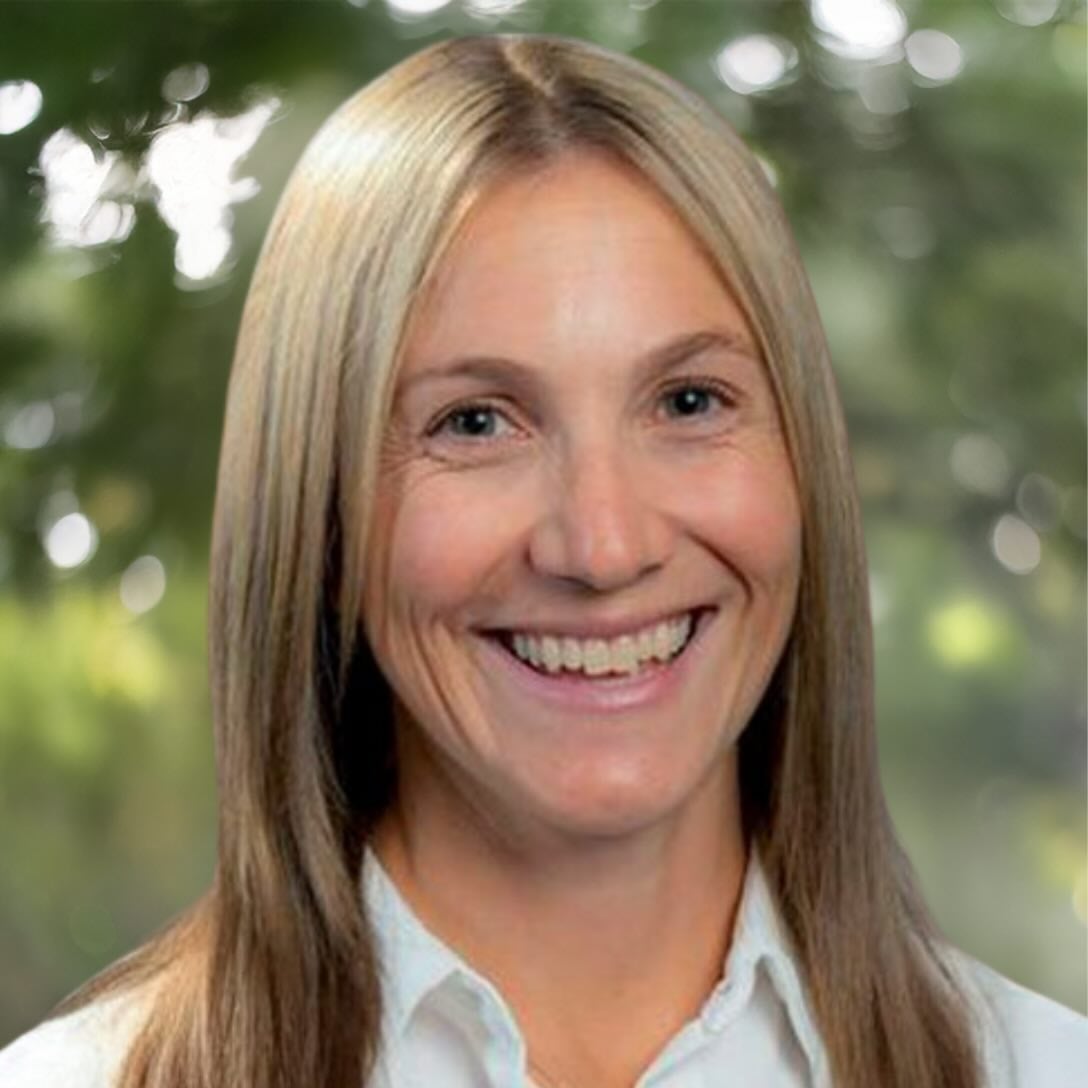
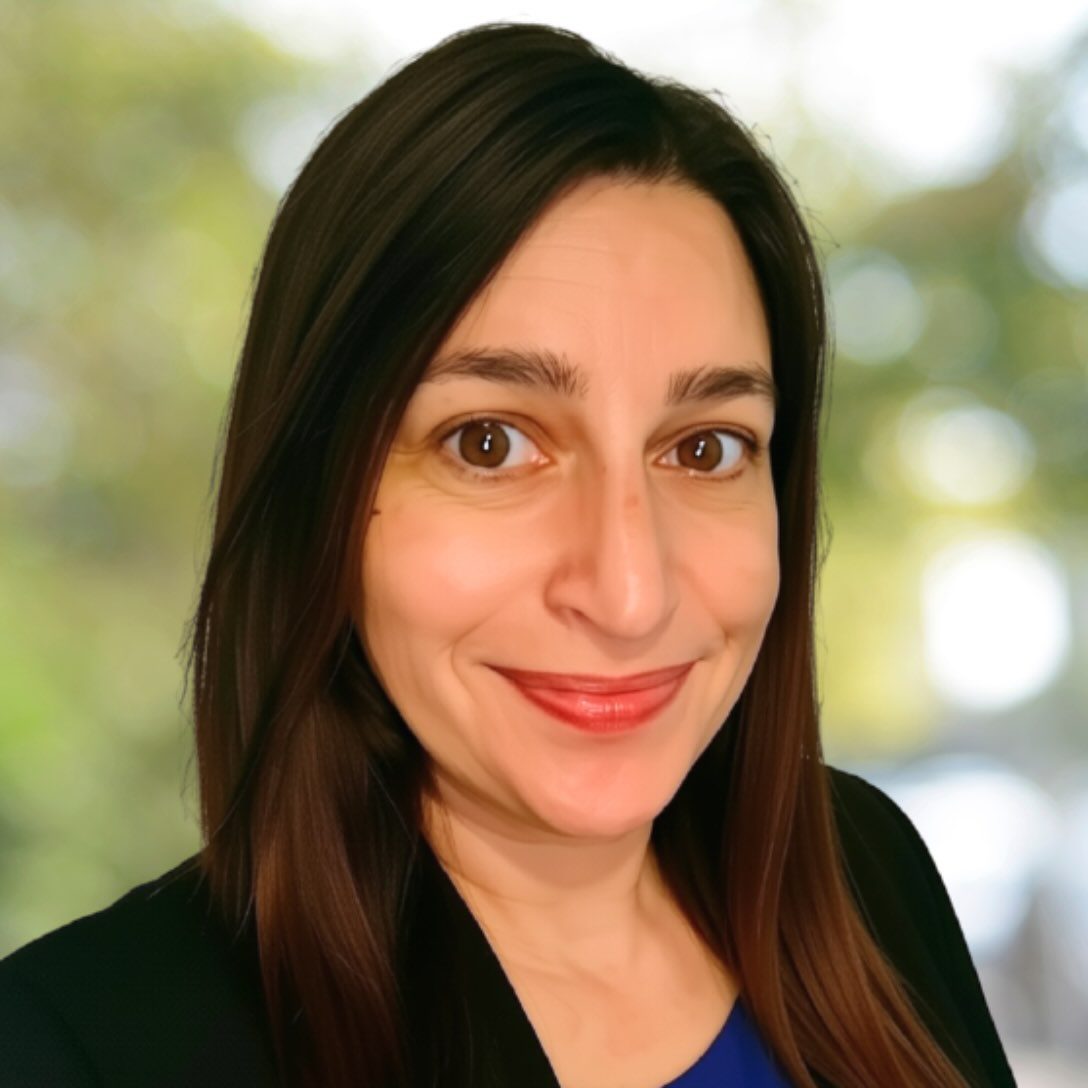
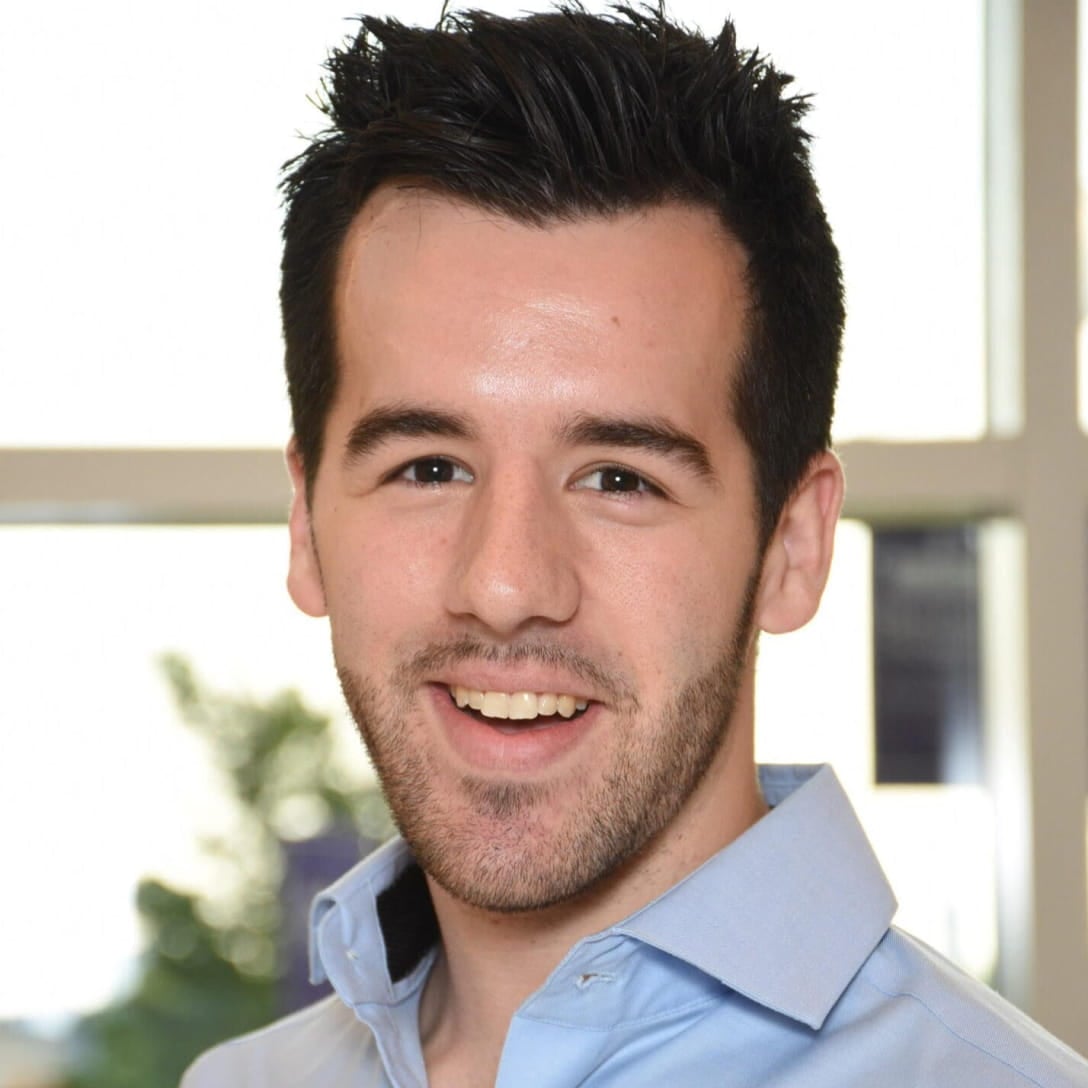
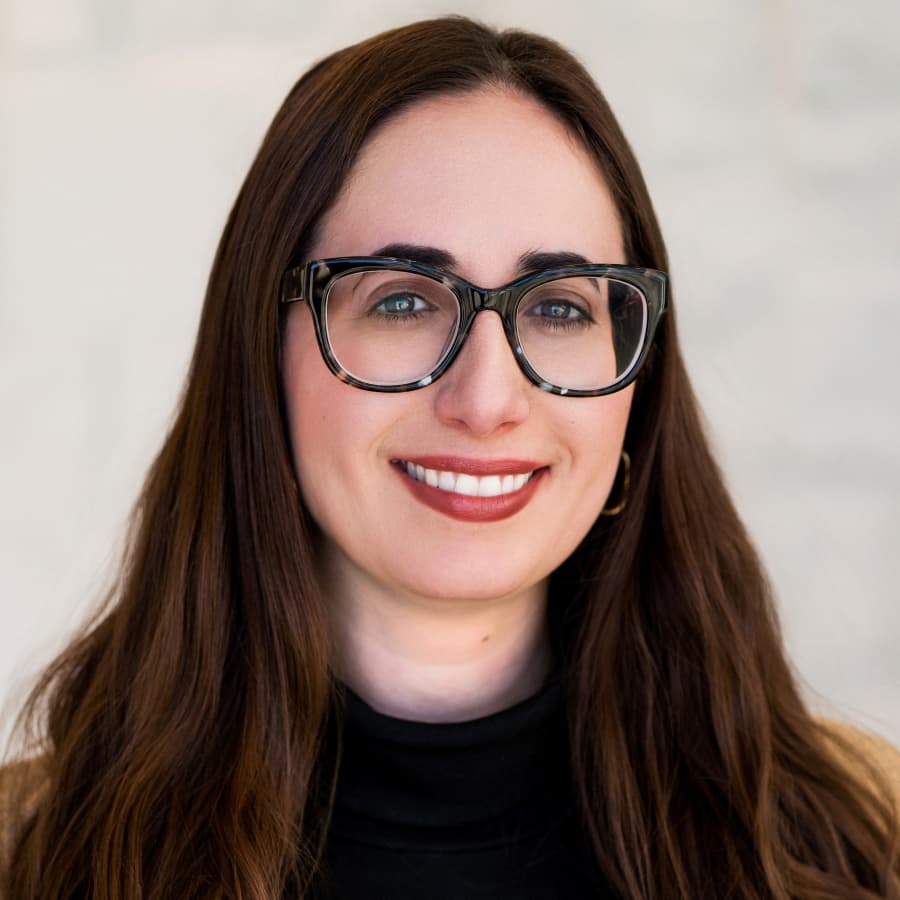
Meet the All Points North Team


















Medical Disclaimer
The information on this page is for educational purposes only and does not constitute medical advice, diagnosis, or treatment recommendations. Individual treatment outcomes vary. Insurance coverage for interventional psychiatry treatments varies by plan, provider, and clinical criteria.
If you are experiencing a psychiatric emergency, call 988 or 911 immediately. APN is a licensed, Joint Commission‑accredited treatment provider.
Resources
Tendler, A., Goerigk, S., Zibman, S., Ouaknine, S., Harmelech, T., Pell, G. S., Zangen, A., Harvey, S. A., Grammer, G., Stehberg, J., Adefolarin, O., Muir, O., MacMillan, C., Ghelber, D., Duffy, W., Mania, I., Faruqui, Z., Munasifi, F., Antin, T., . . . Roth, Y. (2023). Deep TMS H1 Coil treatment for depression: Results from a large post‑marketing data analysis. Psychiatry Research, 324, 115179. https://doi.org/10.1016/j.psychres.2023.115179
Borlongan, C. V., & Hadanny, A. (2024). Why provide 40 sessions of hyperbaric oxygen therapy to patients with traumatic brain injury? Medical Gas Research, 15(1), 132. https://doi.org/10.4103/mgr.MEDGASRES-D-24-00029
Al‑Harbi, K. S. (2012). Treatment‑resistant depression: Therapeutic trends, challenges, and future directions. Patient Preference and Adherence, 6, 369. https://doi.org/10.2147/PPA.S29716
Kang, M. J., Hawken, E., & Vazquez, G. H. (2022). The Mechanisms Behind Rapid Antidepressant Effects of Ketamine: A Systematic Review With a Focus on Molecular Neuroplasticity. Frontiers in Psychiatry, 13, 860882. https://doi.org/10.3389/fpsyt.2022.860882
Frequently Asked Questions About Interventional Psychiatry
Who is a good candidate for Deep TMS?
Deep TMS is FDA‑cleared for major depressive disorder in adults who have not experienced satisfactory improvement from at least one prior antidepressant medication. It is also FDA‑cleared for OCD.
Good candidates include people with treatment‑resistant depression, those who cannot tolerate the side effects of certain medications, and those seeking a non‑pharmacological alternative for mental health or substance use struggles.
Patients with metal implants in or near the head, implanted cardiac devices like pacemakers, or a personal history of seizure disorder may not be eligible and require clinical evaluation to determine appropriateness.
How is APN's ketamine-assisted therapy different from IV ketamine infusion clinics?
The key difference is therapeutic integration. Many ketamine clinics administer ketamine as a standalone pharmacological treatment without concurrent psychotherapy, treating the altered state as a side effect rather than a therapeutic opportunity.
At Plus by APN, every session is conducted with a trained psychedelic‑informed clinician who guides the experience, helps process insights, and integrates material before and after each session.
This KAT model has been shown to extend and deepen ketamine’s benefits beyond what pharmacology alone typically provides. Our sessions also occur within APN’s full clinical continuum, with psychiatric oversight and concurrent psychotherapy as standard components of care.
How many sessions are needed for Deep TMS and HBOT?
A standard acute course of deep TMS for depression is typically 20–30 sessions, administered daily, or five days per week. Clinical research shows the median onset of sustained response occurs around session 16 (approximately three weeks), with continued improvement through session 30. HBOT protocols for neurological conditions typically involve 20–40 sessions, depending on the indication and clinical response.
Your Plus by APN clinical team will determine the optimal course length based on your presentation and response to treatment.
Is Deep TMS covered by insurance?
Most major insurance plans cover deep TMS for major depressive disorder when patients meet clinical criteria. Coverage for OCD is more limited but expanding. HBOT and ketamine‑assisted therapy are generally self‑pay.
Our team can verify your benefits and help you understand coverage options before you begin treatment.
What are the side effects of Deep TMS?
Deep TMS has a strong safety profile. The most common side effect is mild to moderate scalp discomfort or a light headache during or shortly after the first sessions. This usually resolves within an hour and tends to reduce further with subsequent treatments. Unlike antidepressant medications, deep TMS does not cause systemic side effects such as weight change, sexual dysfunction, sleep disruption, or emotional blunting.
Can these treatments be combined with my current medications and therapy?
In most cases, yes. Deep TMS and HBOT are generally safe to administer alongside most psychiatric medications. Ketamine may require adjustments to certain medications, particularly some antidepressants and mood stabilizers; these adjustments are managed carefully by your APN psychiatrist.
All Plus by APN protocols are provided under full psychiatric supervision and are designed to complement, not replace, your existing therapy. We can collaborate with your outpatient psychiatrist or therapist to ensure continuity of care.
Your Next Step
The Brain Can Change. We Can Help It.
Everyone has the capacity for meaningful change, healing, and growth. Plus by APN can help you achieve it. Our admissions team is available to help you get started.