


Late-Life Depression Treatment
Depression in older adults is common, serious, and treatable. It is not a normal part of aging, and effective treatment options exist for late-life depression.

Causes and Risk Factors of Late-Life Depression
Identifying the cause of depression is essential to guiding treatment and improving outcomes.
Depression in the primary care setting may emerge after illness, losses, or medication changes. Biological shifts, life transitions, and cumulative stressors trigger depressive symptoms. Early identification enables first-line treatment and can prevent progression to major depression.
Biological Factors Influencing Depression
Age-related changes in brain chemistry and neurotransmitter regulation contribute to depression in older adults.
Chronic illnesses such as heart disease, diabetes, Parkinson’s, and stroke increase risk, as do hormonal changes and polypharmacy. Antidepressants may help, but careful management includes screening for drug interactions and monitoring side effects.
Life Circumstances That Trigger Depression
We know that loss of a spouse, close friends, independence, or purpose can precipitate depression in older adults. Retirement, reduced mobility, or a move to assisted living often disrupts routines.
Caregiver strain and isolation can further intensify depressive symptoms. Compassionate psychotherapy and coordinated support address grief, transitions, and daily challenges.
Identifying Key Risk Factors
Risk of depression increases with a history of depression or anxiety, social isolation, chronic pain, financial stress, or early cognitive decline.
Living alone and having multiple medical conditions raises vulnerability to depression. Recognizing these risks enables timely diagnosis and management, including psychotherapy and antidepressant options.
Get a call back
Our warm, trustworthy approach blends psychiatry, psychotherapy, and primary care coordination to improve outcomes for older adults with depression. With integrity and respect, we guide families toward hope and sustained mental health.
You share
A few questions, in your own time.
We listen
An admissions specialist reviews personally.
You decide
Free, confidential, no obligation.

 APN accreditations & certificationsExplore our standards of care
Treatment Options for Late-Life Depression
Treating late-life depression requires precision, compassion, and specialized psychiatry. For older adults with depression, we tailor treatment options to biological, psychological, and social drivers.
We combine antidepressant strategies with psychotherapy and coordinated primary care to improve outcomes. Clinicians monitor side effects and adjust first-line treatment to sustain progress and safety.
Medication Management Strategies
Thoughtful antidepressant selection is essential for older adults. We evaluate polypharmacy, metabolism, and cardiovascular risks to prevent harmful interactions and minimize side effects.
Start low, go slow: begin conservatively and titrate deliberately. Review regularly to align treatment with evolving medical needs, guard against relapse, and optimize management.
Effective Psychotherapy Approaches
Psychotherapy complements medication in late-life depression and often stands as the first-line treatment for mild depression. We employ Cognitive Behavioral Therapy, Problem-Solving Therapy, and Interpersonal Therapy.
Evidence-based therapies reduce symptoms, support role transitions, and address grief and isolation. Supportive therapy reinforces connection, reduces isolation, and helps older adults practice skills that prevent depression.
Integrating Care for Comprehensive Support
Integrated care that links primary care, psychiatry, and family care improves outcomes. Clinicians coordinate labs, medical imaging, and medication reconciliation to clarify what is causing depression.
We involve caregivers to spot depression early, reinforce skills, and monitor symptoms. Safety planning, crisis access, and community resources reduce suffering and protect momentum.
Telehealth Solutions for Older Adults
Our telehealth delivers flexible, high-quality outpatient and IOP care for older adults with depression. We provide virtual mental health and addiction treatment with clinical excellence, maintaining continuity with the same clinician.
Easy-to-use technology supports mobility limits and enables timely care. This access helps prevent moderate to severe depression from escalating.
Expertise in Geriatric Mental Health
Our geriatric clinicians bring advanced psychiatry training to the treatment of late-life depression. We distinguish depression in the primary care setting from dementia and medical mimics, then tailor treatment.
Experience with polypharmacy, chronic illness, and cognitive changes allows precise antidepressant and psychotherapy planning. Specialized expertise restores confidence for families and patients.
Family-Centered Care and Involvement
Family involvement accelerates recovery and prevents relapse. We include families in goal-setting, symptom education, and relapse prevention. Caregivers learn to notice early signs, support routines, and track side effects.
Clear communication and shared plans reduce crises, strengthen adherence, and sustain gains for older adults with depression, whether facing mild or severe depression.
Commitment to Medication Safety
Medication safety is foundational. We conduct thorough reviews of all prescriptions and supplements, assessing interactions that could worsen depression in older adults or trigger side effects.
Doses match age-related pharmacokinetics. Frequent follow-ups, labs when indicated, and transparent education protect health while maximizing antidepressant benefits.
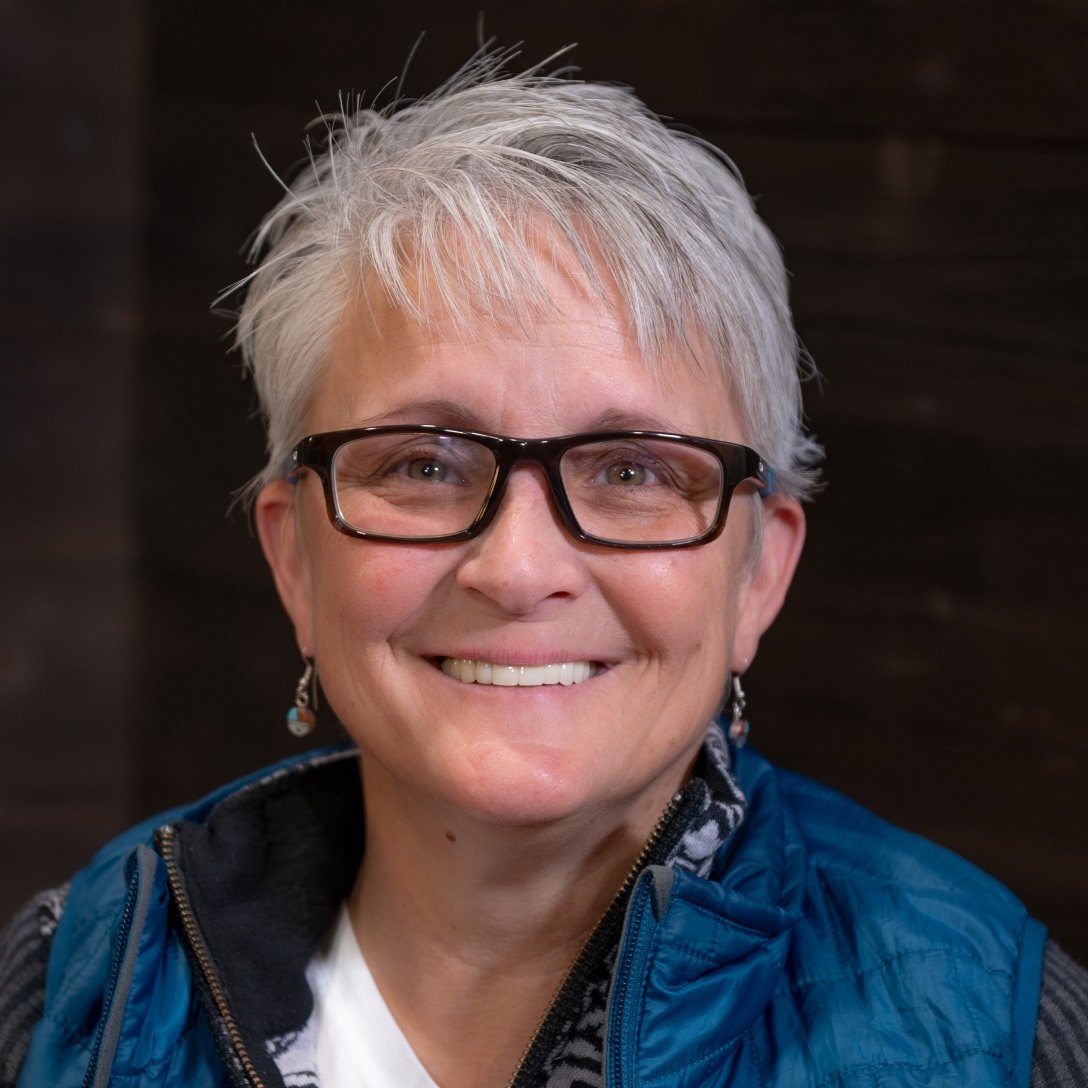
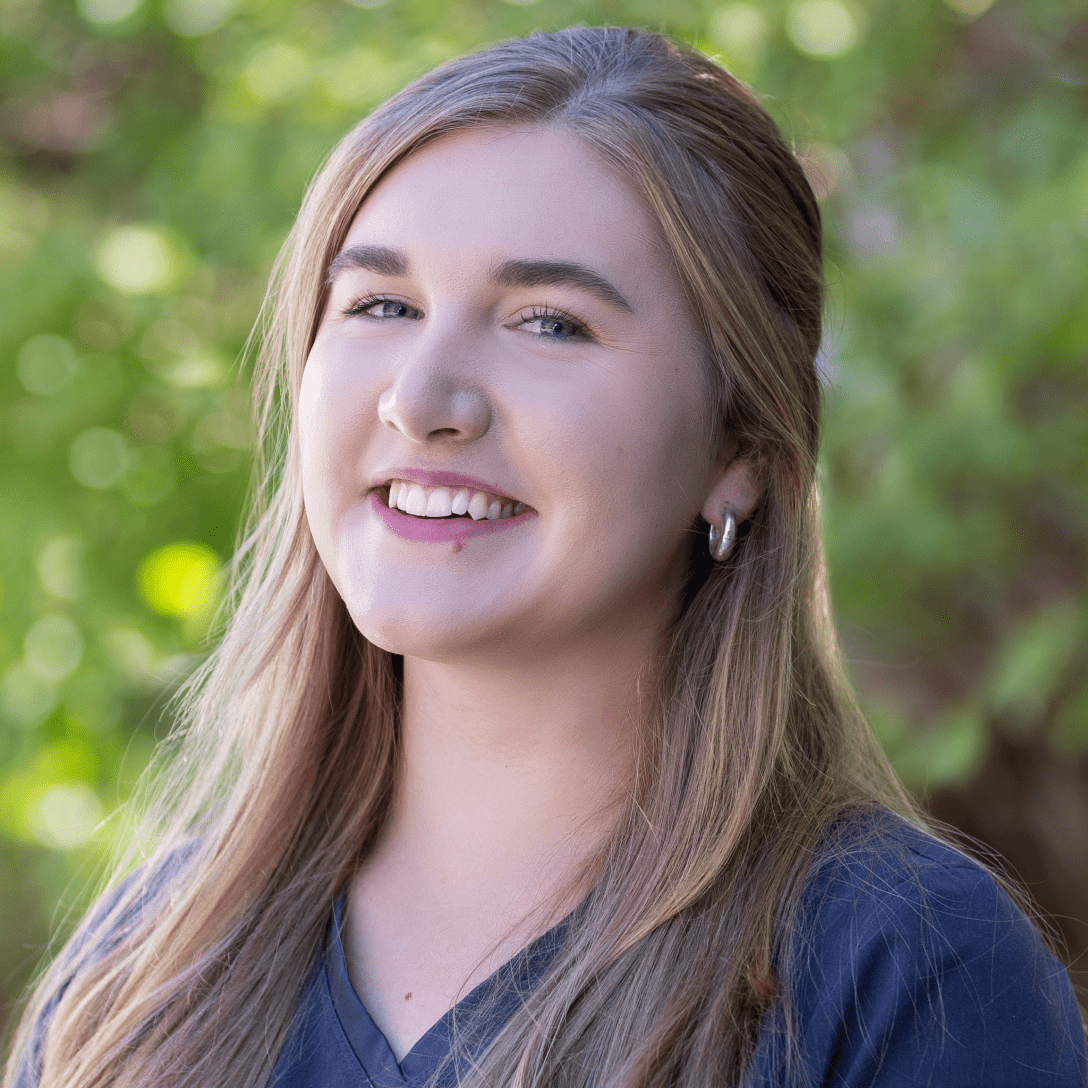
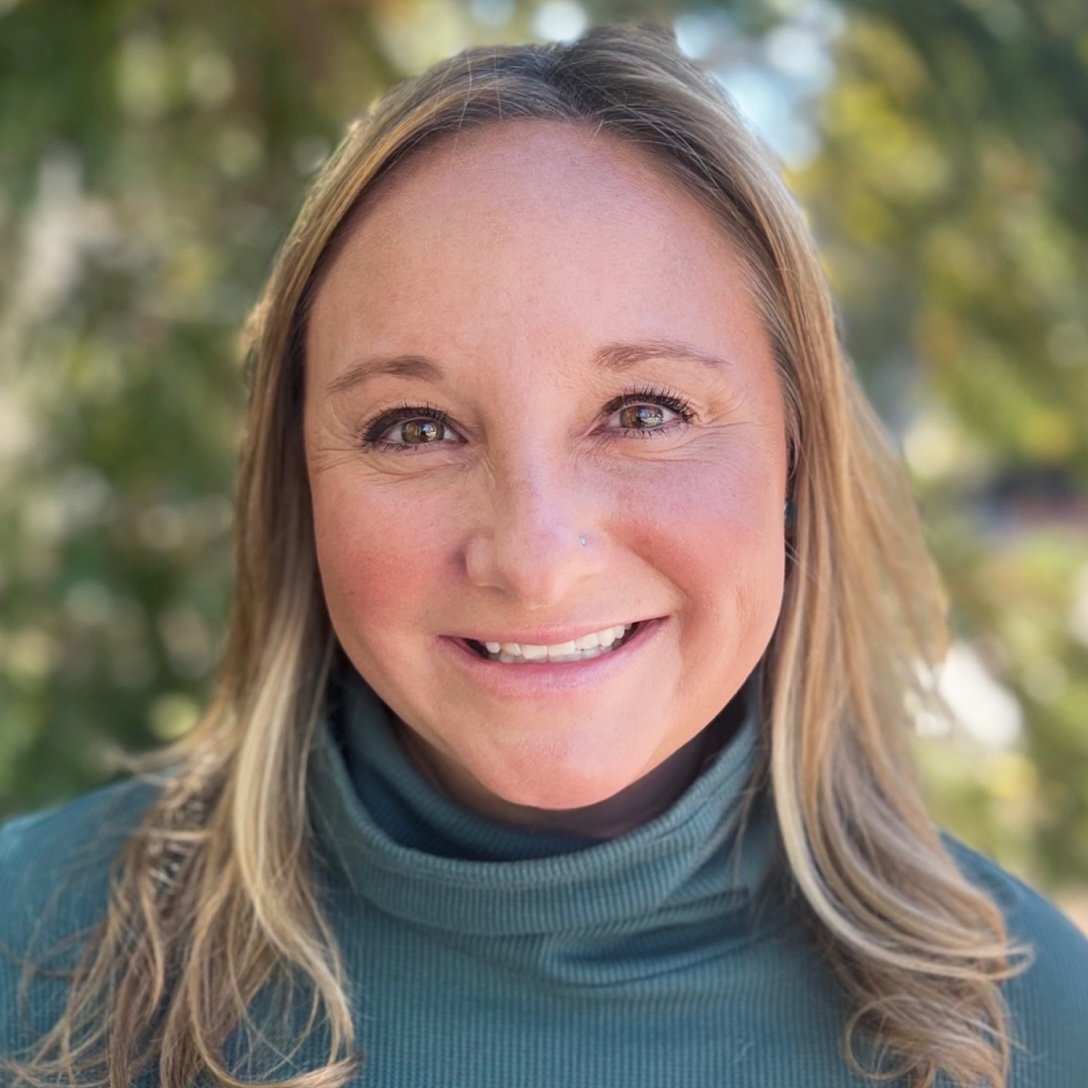
Meet the All Points North Team











Insurance and Information
APN accepts a wide variety of insurance plans to help you access the care you need. To verify your insurance coverage and learn more about your options, call us at 970.591.6710.
Our team is available to help you understand your benefits and payment options.
Frequently Asked Questions
What are the signs of late-life depression in older adults?
Signs of late-life depression can vary but often include persistent sadness, loss of interest in activities, changes in appetite or sleep patterns, fatigue, and feelings of worthlessness. Older adults may also exhibit increased irritability, withdrawal from social interactions, and difficulty concentrating. It's essential for caregivers and family members to recognize these symptoms early, as timely intervention can significantly improve treatment outcomes and quality of life.
How can caregivers support older adults with depression?
Caregivers play a crucial role in supporting older adults with depression. They can encourage open communication, promote social engagement, and assist with daily activities. Establishing a routine can provide structure and stability, while supporting treatment adherence. Caregivers should also educate themselves about depression symptoms and treatment options, so they can recognize changes and advocate for their loved ones.
What role does physical health play in late-life depression?
Physical health significantly impacts late-life depression. Chronic illnesses, such as heart disease or diabetes, can exacerbate depressive symptoms and complicate treatment. Additionally, medications for these conditions may interact with antidepressants, necessitating careful management. Regular physical activity and a balanced diet can improve overall well-being and mood. Addressing physical health issues alongside mental health treatment is essential for comprehensive care.
Are there specific therapies recommended for older adults?
Yes, certain therapies are particularly effective for older adults experiencing depression. Cognitive Behavioral Therapy (CBT), Problem-Solving Therapy, and Interpersonal Therapy are evidence-based approaches that have shown positive results. These therapies focus on addressing negative thought patterns, enhancing problem-solving skills, and improving relationships, which can be especially helpful for older adults facing life transitions or loss. Tailoring therapy to the individual's needs is crucial for successful outcomes.
Get a call back
Our warm, trustworthy approach blends psychiatry, psychotherapy, and primary care coordination to improve outcomes for older adults with depression. With integrity and respect, we guide families toward hope and sustained mental health.
APN accepts a wide variety of insurance plans to help you access the care you need. To verify your insurance coverage and learn more about your options, call us at 970.591.6710.