


PTSD Treatment That Addresses The Whole Picture
Post-Traumatic Stress Disorder (PTSD) changes how the brain and body respond to danger. Long after the traumatic event ends, the nervous system can continue to react as if the threat is still present.
Flashbacks, nightmares, hypervigilance, and emotional numbness are not character flaws. They are signs of a nervous system still operating in survival mode.

Recognizing the Signs
PTSD symptoms cluster into four categories:
Re-experiencing: flashbacks, intrusive memories, nightmares, intense distress when reminded of the trauma
Avoidance: steering clear of people, places, conversations, or activities connected to the event
Negative changes in mood and thinking: persistent guilt or shame, feeling detached from others, loss of interest in things you used to enjoy
Hyperarousal: being easily startled, difficulty sleeping, irritability, trouble concentrating, and constantly scanning for danger
Many people with PTSD also experience depression, anxiety disorders, or substance use problems. PTSD and substance use disorders frequently occur together, which can make integrated treatment especially important.
Start PTSD Treatment Today
Living in survival mode takes a toll that compounds over time. Call APN's admissions team at 970.591.6710 for a confidential assessment. We're available 24/7 and can verify your insurance, answer questions about our trauma programs, and coordinate travel to our residential facility.
You share
A few questions, in your own time.
We listen
An admissions specialist reviews personally.
You decide
Free, confidential, no obligation.
 APN accreditations & certificationsExplore our standards of care
APN’s Approach To PTSD Treatment
Eye Movement Desensitization and Reprocessing (EMDR)
EMDR helps the brain reprocess traumatic memories so they carry less emotional intensity. With consistent treatment, triggering memories can become something you recall with greater stability and less overwhelm. EMDR is a well-established trauma therapy used in many clinical settings.
Trauma-Focused CBT
Trauma-Focused Cognitive Behavioral Therapy (CBT) is a structured therapy that targets distorted beliefs that result from trauma, such as “It was my fault,” “The world is completely unsafe,” or “I can’t trust anyone.”
Working with a trained therapist, you examine these beliefs, test them against evidence, and build a more accurate understanding of what happened and what it means for your life now.
Neurotechnology
APN uses Deep Transcranial Magnetic Stimulation (deep TMS) to target brain regions involved in fear and emotional processing. For some clients, we also offer Stellate Ganglion Block (SGB), a targeted injection that may help reduce hyperarousal symptoms. SGB has shown promise for some PTSD presentations and is available at select APN locations.
Somatic Experiencing and Body-Based Work
Trauma affects the body and the mind. Somatic experiencing helps clients notice and work through the physical tension patterns that can develop after trauma.
Combined with yoga, breathwork, and movement-based therapies, this approach supports the physiological side of PTSD that talk therapy alone may not fully address.
Medication Management
Medication may be used to address symptoms such as nightmares, anxiety, depression, or sleep disruption, depending on each client’s needs.
Our psychiatrists tailor medication plans to your symptom profile and adjust them as treatment progresses. Medication decisions are made collaboratively, with attention to benefits, side effects, and overall treatment goals.
How PTSD Develops
PTSD can follow any event in which you experienced or witnessed serious harm, or the threat of it. Causes vary widely and can include combat exposure, sexual assault, car accidents, childhood abuse, natural disasters, and medical emergencies.
Not everyone who experiences trauma develops PTSD. But when symptoms persist for more than a month and interfere with daily functioning, they may indicate PTSD.
Complex PTSD (CPTSD) can develop after prolonged or repeated trauma, often during childhood. It includes the core symptoms of PTSD along with added challenges involving emotional regulation, self-perception, and relationships.
Effective treatment should address both trauma symptoms and the broader patterns that develop around them.
Levels of Care
APN's residential program in Edwards, Colorado, offers 24/7 clinical support in a setting designed for focused therapeutic work.
Clients can step down to partial hospitalization (PHP) or intensive outpatient (IOP) care at our Denver, Boulder, or Dallas-Fort Worth locations. Telehealth through the APN app helps clients stay connected to their treatment team after returning home.

Why APN for PTSD
At APN, small cohorts allow for a more personalized treatment experience. APN's residential program serves a limited number of clients at a time, which can mean more individual attention, more direct access to clinical staff, and a treatment environment that feels more private and focused.
If needed, dual diagnosis treatment is integrated into your care. If PTSD occurs alongside substance use, depression, or anxiety, those co-occurring conditions are treated together under one clinical team.
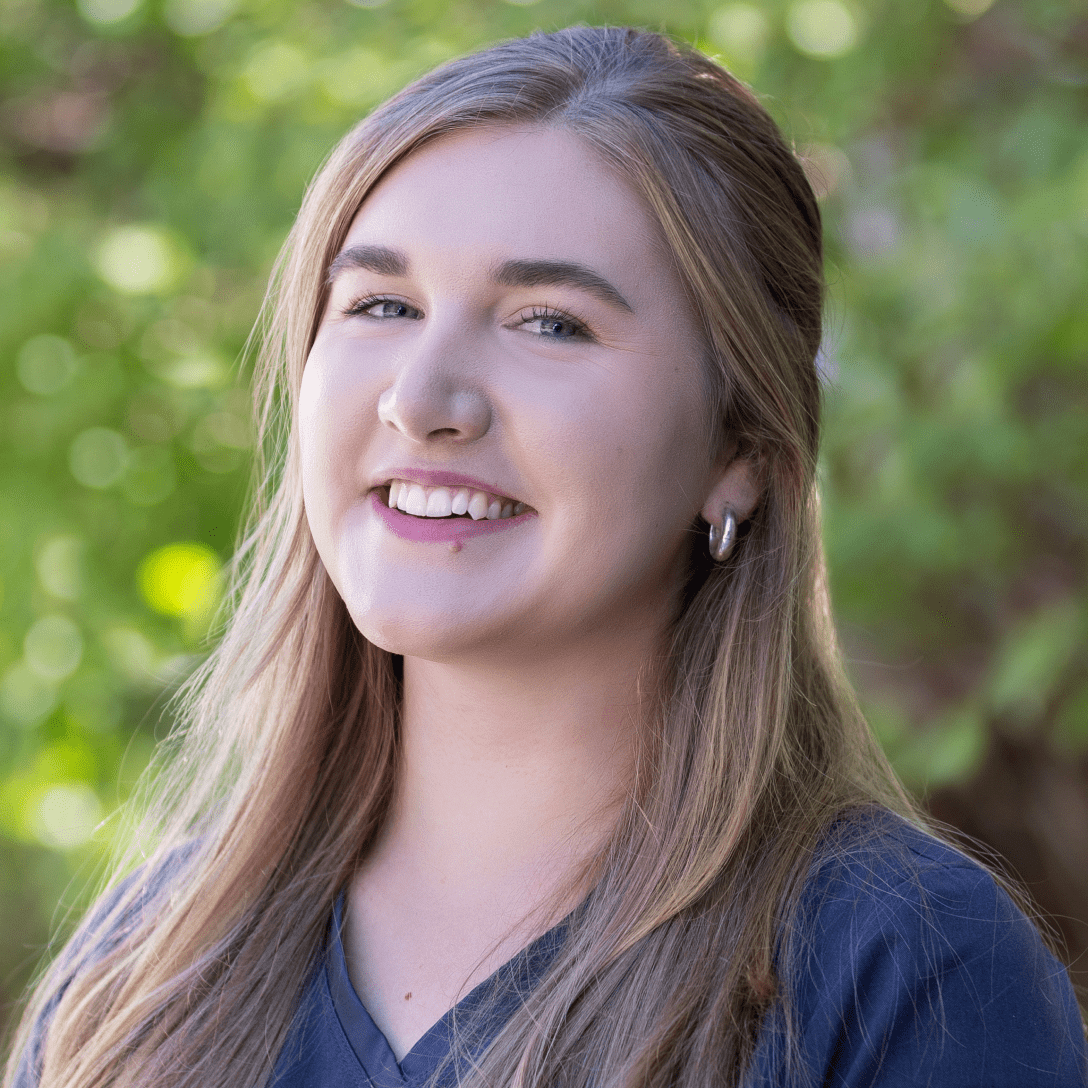
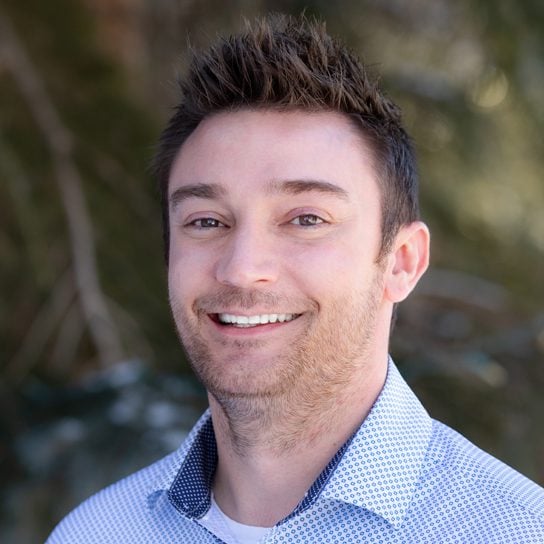
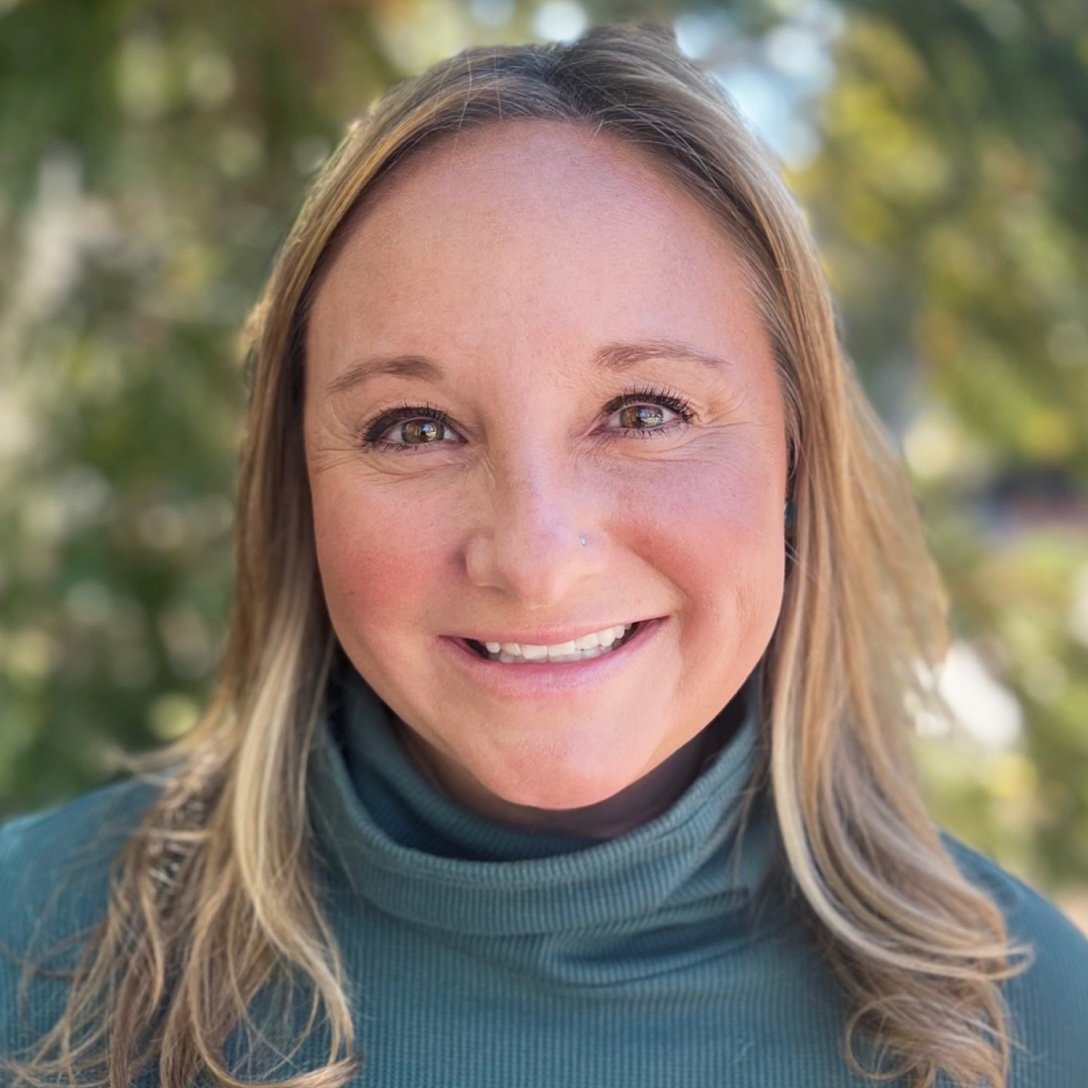
Meet the All Points North Team









Frequently Asked Questions
How do I know if I need residential treatment for PTSD?
Residential treatment is appropriate when symptoms are severe enough to interfere with daily functioning, when outpatient treatment hasn't been sufficient, or when co-occurring conditions require intensive stabilization. Our admissions team can help determine the right level of care during your initial call.
Can PTSD be fully treated?
Many people achieve significant symptom reduction or full remission with the right treatment. PTSD doesn't have to be a life sentence. The earlier and more intensively it's treated, the better the outcomes tend to be.
Does APN treat Complex PTSD?
Yes. Our clinical team has specific training in complex trauma presentations. Treatment for CPTSD typically requires a longer stay and incorporates additional modalities addressing emotional regulation, identity, and relational patterns.
What happens after residential treatment?
Before discharge, your team builds a detailed continuing care plan. This usually includes step-down to PHP or IOP, ongoing therapy, medication management, and connection to community resources. APN's alumni program and telehealth platform provide long-term support.
Start PTSD Treatment Today
Living in survival mode takes a toll that compounds over time. Call APN's admissions team at 970.591.6710 for a confidential assessment. We're available 24/7 and can verify your insurance, answer questions about our trauma programs, and coordinate travel to our residential facility.