


Bipolar Disorder Treatment At All Points North
Bipolar disorder isn't just mood swings. It's a brain condition that produces extreme shifts in energy, activity, sleep, and behavior, from the highs of mania to the lows of depression, sometimes cycling rapidly. Without treatment, those cycles tend to intensify. Relationships fracture. Careers derail. Substance use often arises as a coping mechanism.
APN provides bipolar disorder treatment across residential, partial hospitalization, intensive outpatient, and telehealth levels of care. Our psychiatric team has the time and the training to help you achieve stability.

When Treatment Becomes Necessary
Some signs that professional treatment is overdue:
- Episodes are becoming more frequent or more severe
- You're unable to maintain consistent employment or relationships
- Sleep has become unpredictable, going days without it during manic periods
- Impulsive decisions during mania (spending, substance use, risky behavior) are causing lasting damage
- Depressive episodes involve suicidal thinking or total withdrawal
- Current medication isn't controlling symptoms
Get Started With Treatment
Bipolar disorder can become more challenging to manage the longer it goes untreated. Call APN's admissions team at 970.591.6710 for a confidential conversation about your situation. We verify insurance, explain your options, and can coordinate travel to our residential program.
You share
A few questions, in your own time.
We listen
An admissions specialist reviews personally.
You decide
Free, confidential, no obligation.

 APN accreditations & certificationsExplore our standards of care
How APN Treats Bipolar Disorder
Psychiatric evaluation and medication stabilization
Getting the right medication combination is the foundation of bipolar treatment. Mood stabilizers, atypical antipsychotics, and sometimes antidepressants need careful calibration. APN offers psychiatry and medication management to current clients enrolled in residential, PHP, and IOP levels of care.
CBT and DBT
Cognitive Behavioral Therapy (CBT) helps identify early warning signs of mood episodes and develop strategies to intervene before they escalate. Dialectical Behavior Therapy (DBT) builds skills in emotional regulation, distress tolerance, and interpersonal effectiveness, all areas where bipolar disorder creates friction.
Psychoeducation and family therapy
Understanding your diagnosis changes how you respond to it. Psychoeducation teaches the biology of bipolar disorder, medication effects, sleep hygiene, and trigger management. Family therapy brings loved ones into the process so they can offer support without unintentionally encouraging harmful behaviors.
Neurotechnology
Deep TMS can target the depressive phase of bipolar disorder, which is often the more persistent and debilitating pole. APN offers this as an adjunct to medication and therapy, not a replacement.
Understanding Bipolar Disorder
Bipolar I involves manic episodes lasting at least seven days (or severe enough to require hospitalization), typically followed by depressive episodes lasting two weeks or more. Bipolar II features hypomanic episodes, less severe than full mania but still disruptive, alongside major depressive episodes that are often longer and more debilitating than the highs. Cyclothymia involves chronic fluctuating moods with hypomanic and depressive symptoms that don't meet the full criteria for either diagnosis.
About 2.8% of U.S. adults have bipolar disorder. The average delay between onset and correct diagnosis is six years, during which many people receive treatment for depression alone, which can actually worsen bipolar cycling.
Levels Of Care
Residential treatment is appropriate for acute stabilization, severe episodes, or when co-occurring substance use needs to be addressed in a controlled environment. Our Edwards, Colorado lodge provides 24/7 psychiatric care.
As stability improves, clients step down to PHP (5 days a week, structured programming) or IOP (3 days a week) at our Denver, Boulder, or Dallas-Fort Worth locations. Outpatient and telehealth services provide the ongoing monitoring that bipolar disorder requires long-term.

Lifestyle programming
Sleep, exercise, nutrition, and routine are as important as medication for bipolar stability. APN's residential program builds these habits into the daily schedule, and our team helps you develop a structure that you can maintain after discharge.
Why Choose APN
Bipolar disorder demands consistent psychiatric attention, and APN delivers that care. In residential treatment, your psychiatrist sees you multiple times per week, not once a month. Medication adjustments happen in real time, as you need them.
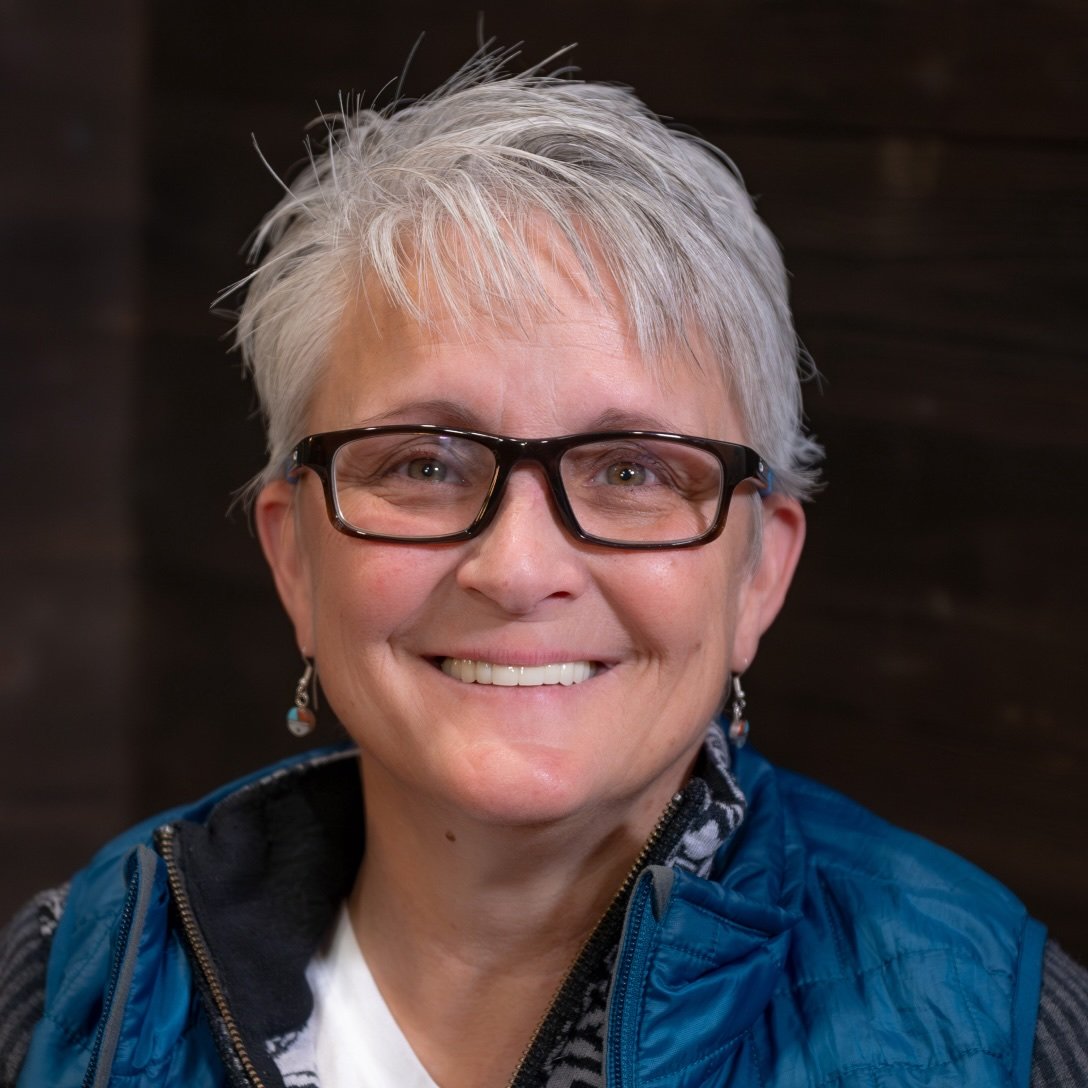
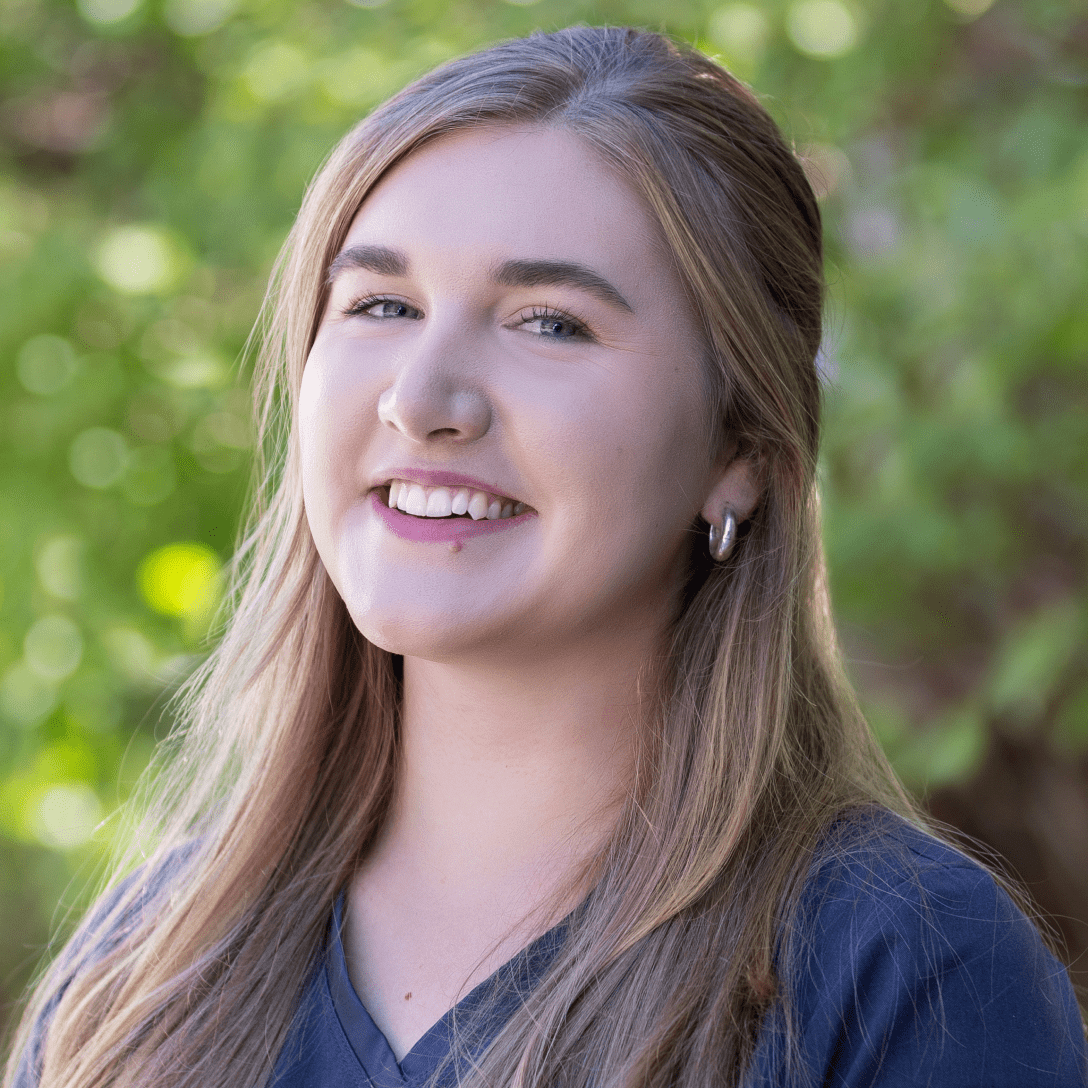
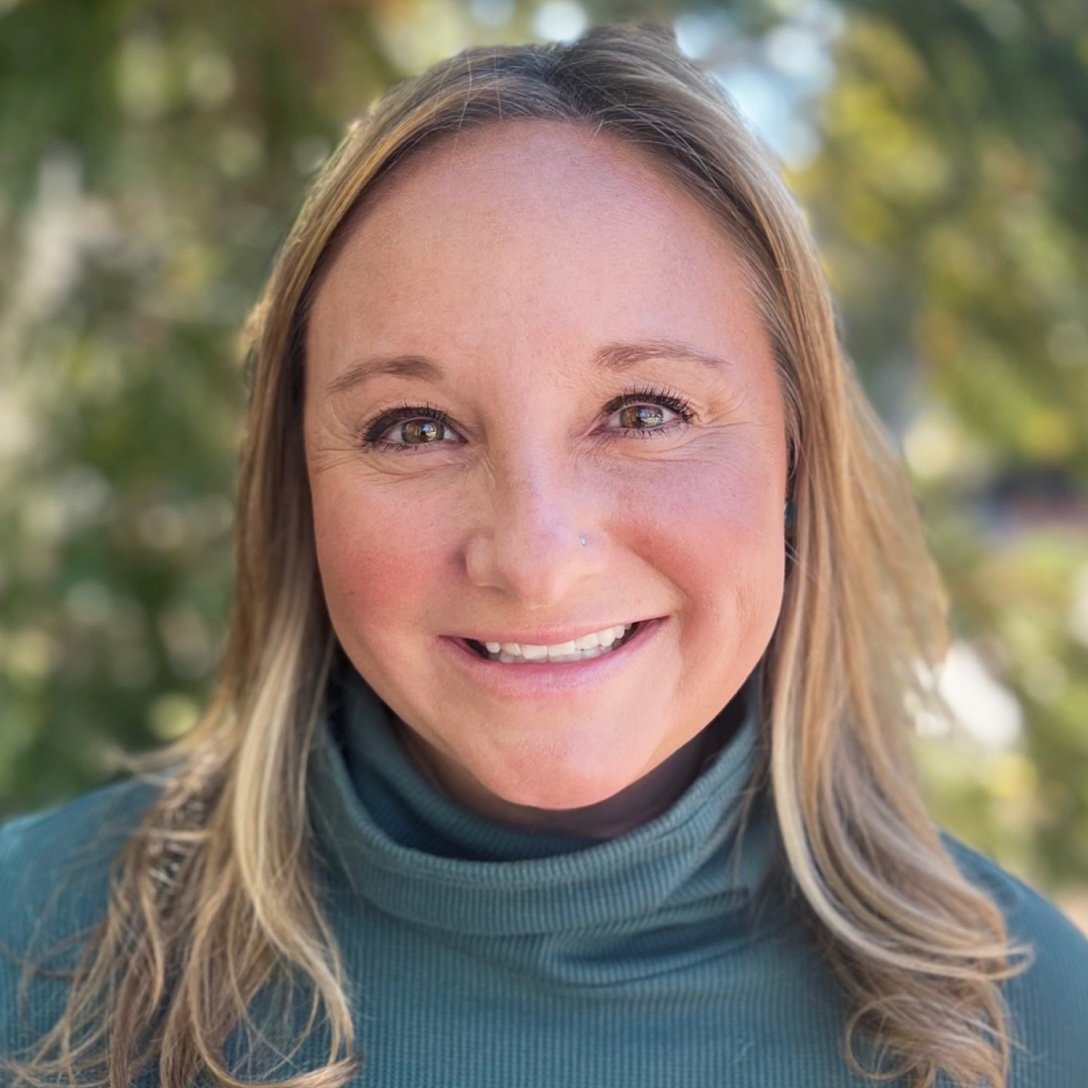
Meet the All Points North Team












Frequently Asked Questions
How long is residential treatment for bipolar disorder?
Typical stays range from 30 to 90 days. The length depends on how quickly medication stabilization occurs and whether co-occurring conditions are present. We don't rush discharge; the goal is sustainable stability.
Can bipolar disorder be cured?
It can't be cured, but it can be managed effectively. With the right medication, therapy, and lifestyle structure, many people with bipolar disorder lead full, productive lives. Treatment is long-term, which is why APN builds robust continuing care plans.
What if I've tried treatment before and it didn't work?
Treatment failure for bipolar disorder often traces back to misdiagnosis, inadequate medication trials, or a lack of structure around medication adherence. At APN, we conduct a thorough evaluation regardless of previous diagnoses or treatment history, ensuring that each client receives an accurate diagnosis and personalized care plan. Our residential setting also allows for close monitoring during medication adjustments.
Does APN treat bipolar disorder with co-occurring substance use?
Yes. Dual diagnosis treatment is central to what we do. About 60% of people with bipolar disorder develop a substance use disorder at some point. Treating both conditions together produces better outcomes than addressing them separately.
Get Started With Treatment
Bipolar disorder can become more challenging to manage the longer it goes untreated. Call APN's admissions team at 970.591.6710 for a confidential conversation about your situation. We verify insurance, explain your options, and can coordinate travel to our residential program.