


Anxiety Treatment At All Points North
Anxiety disorders are the most common mental health conditions in the United States, affecting over 40 million adults each year. Yet fewer than 37% of people with anxiety disorders receive treatment. The gap between suffering and seeking help is significant and preventable.
APN treats generalized anxiety disorder, panic disorder, phobias, and related conditions through residential and outpatient programs that combine therapy, medication management, and neurotechnology. Our approach is direct, evidence-based, and built around your specific symptom profile.

When Worry Crosses The Line
Everyone worries. The difference between normal concern and an anxiety disorder comes down to proportion, control, and impact.
If your anxiety consistently exceeds what the situation warrants, if you can't turn it off despite trying, and if it's affecting your work, relationships, sleep, or health, you could be facing an anxiety disorder. Fortunately, anxiety is a medical condition with effective treatments.
Ready To Stop Managing And Start Treating?
Call APN's admissions team at 970.591.6710. We are available 24/7 for a confidential conversation about your anxiety symptoms, insurance, and treatment options.
Our admissions team can help assess the right level of care.
You share
A few questions, in your own time.
We listen
An admissions specialist reviews personally.
You decide
Free, confidential, no obligation.

 APN accreditations & certificationsExplore our standards of care
How APN Treats Anxiety Disorders
Cognitive Behavioral Therapy And Exposure Work
Cognitive Behavioral Therapy (CBT) is considered the most effective approach for treating anxiety. At APN, our therapists work with you to identify the patterns of thinking and behavior that contribute to your anxiety, then help you gradually change them.
For panic disorder and phobias, we use exposure and response prevention (ERP), which involves facing your fears step-by-step in a controlled, supportive environment to reduce your anxiety and help you learn to manage it.
DBT Skills Training
Dialectical Behavior Therapy (DBT) provides concrete skills for managing intense emotions and tolerating distress without resorting to avoidance or self-medication. The mindfulness component is particularly effective for the physical symptoms of anxiety, racing heart, tight chest, and shallow breathing.
Neurotechnology
Deep Transcranial Magnetic Stimulation (Deep TMS) helps regulate anxiety by targeting specific brain circuits. Neurofeedback is another non-invasive treatment that gives you real-time feedback on your brainwave activity, teaching your nervous system to move out of a heightened state. Both therapies are offered at APN as part of a comprehensive treatment plan.
Medication Management
Our psychiatrists evaluate whether SSRIs, SNRIs, buspirone, or other medications are appropriate for your specific needs. If you've been on benzodiazepines long-term and want to explore alternatives, our team can assess the appropriate level of care and support options.
Types Of Anxiety Disorders
Generalized anxiety disorder (GAD) is the most widespread form of anxiety. It's characterized by persistent, excessive worry about multiple areas of life, health, finances, work, and relationships that are difficult to control and last for six months or more.
The worry is disproportionate to the actual situation and often accompanied by physical symptoms like muscle tension, fatigue, and restlessness.
Panic disorder involves recurrent, unexpected panic attacks, sudden surges of intense fear that peak within minutes, producing heart palpitations, shortness of breath, dizziness, and a feeling that you're losing control or dying. The fear of future attacks can become as disabling as the attacks themselves.
Specific phobias and agoraphobia create intense avoidance of particular objects, situations, or environments. When avoidance patterns expand to the point where your daily life is significantly restricted, treatment is needed.
Adventure And Experiential Therapy
At our Edwards, Colorado, location, treatment includes guided hikes, challenge courses, and other outdoor activities. Recreation provides real-time opportunities to practice anxiety management in engaging yet approachable new ways with therapeutic support present.

A Day In Anxiety Treatment at APN
Mornings at APN typically begin with mindfulness or movement, followed by individual or group therapy sessions. Afternoons include neurotechnology appointments, skills workshops, and experiential activities.
Evenings are structured with peer support, journaling, and wind-down routines. The schedule is full but not frantic; building a sustainable daily rhythm is part of the treatment.
Why APN For Anxiety Treatment
At APN, you have access to Deep TMS and neurofeedback, therapies not commonly found at most other facilities. These treatments can make a measurable difference for treatment-resistant anxiety.
Dual diagnosis treatment is standard at APN. If anxiety co-occurs with depression, substance use, or PTSD, we treat everything together rather than sending you to multiple providers.
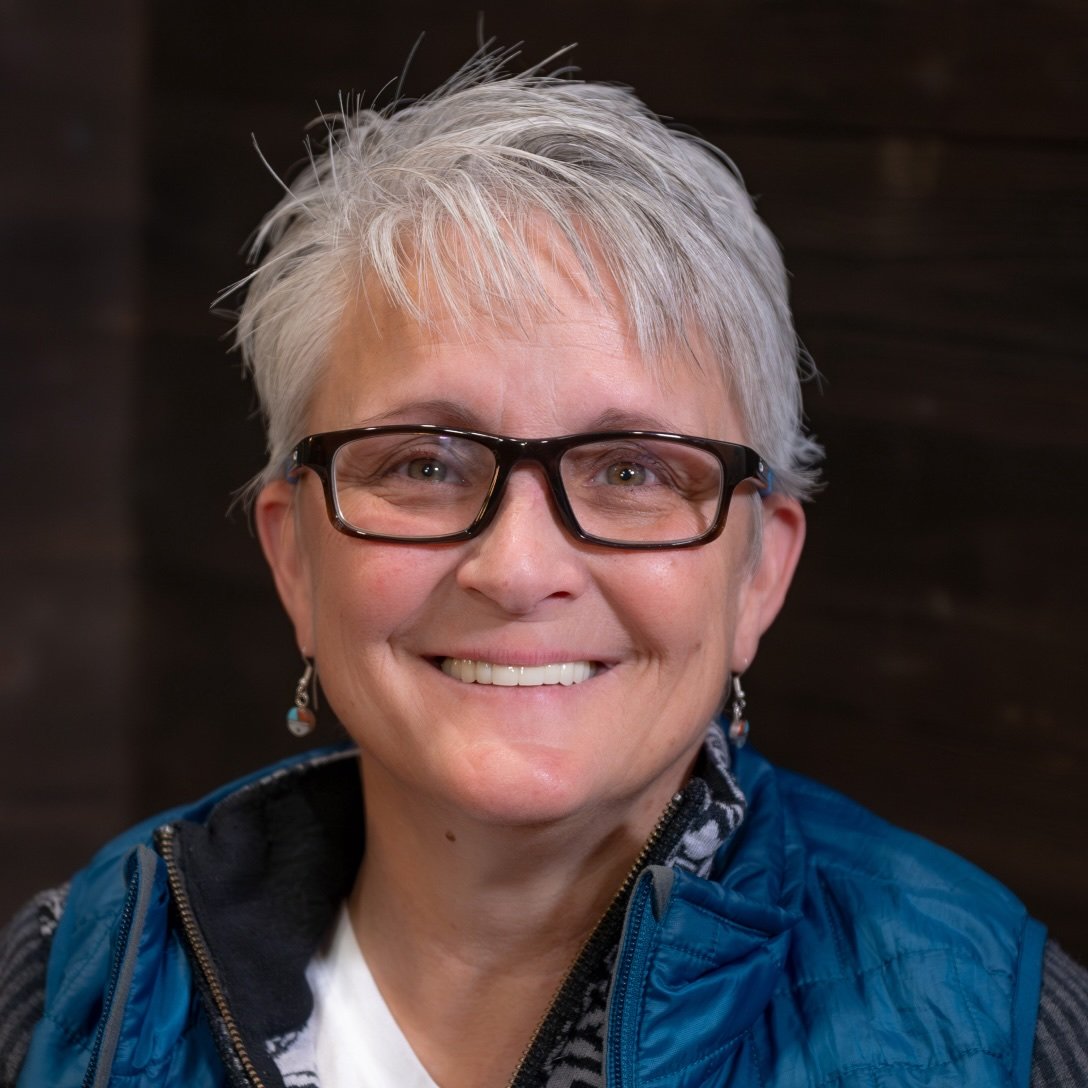
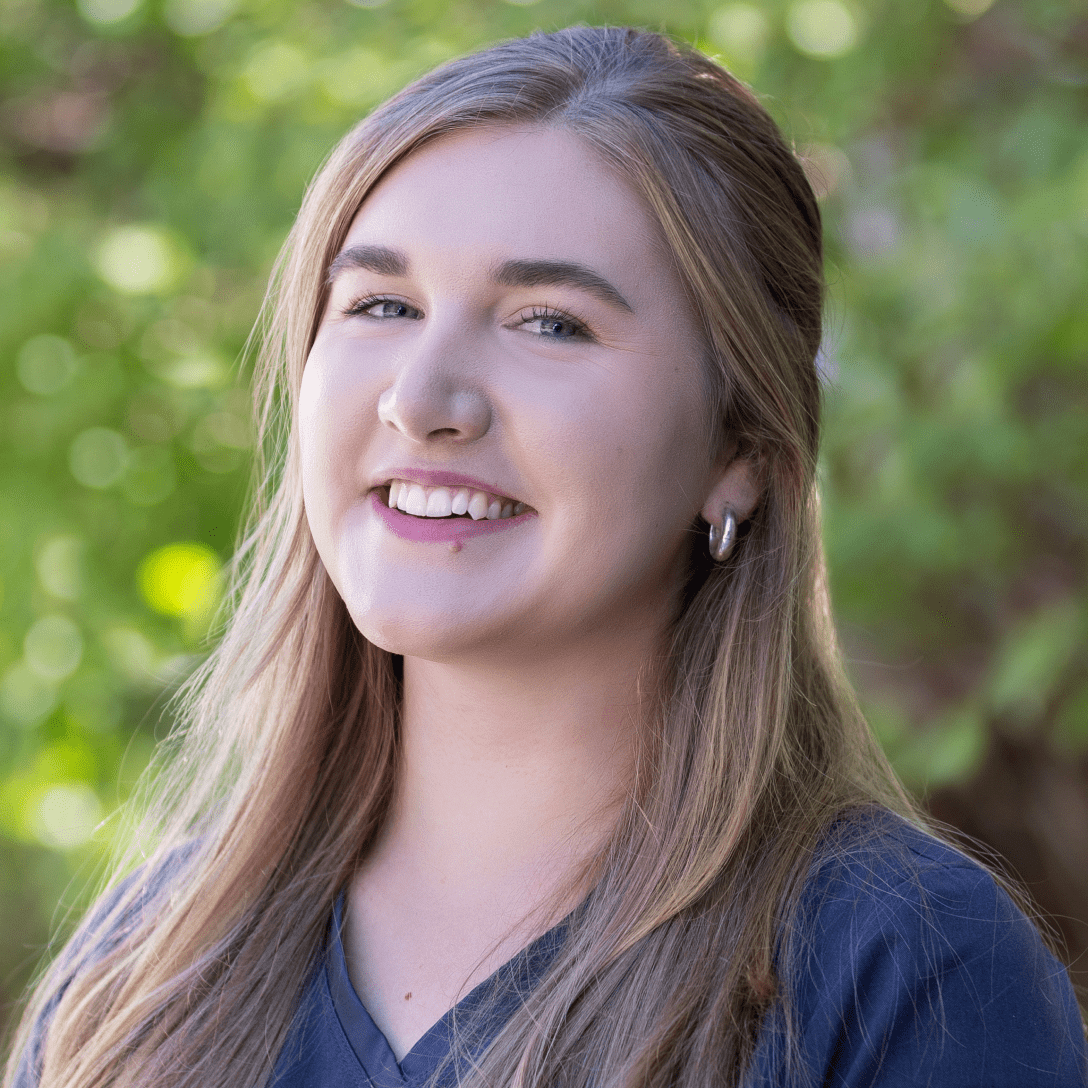
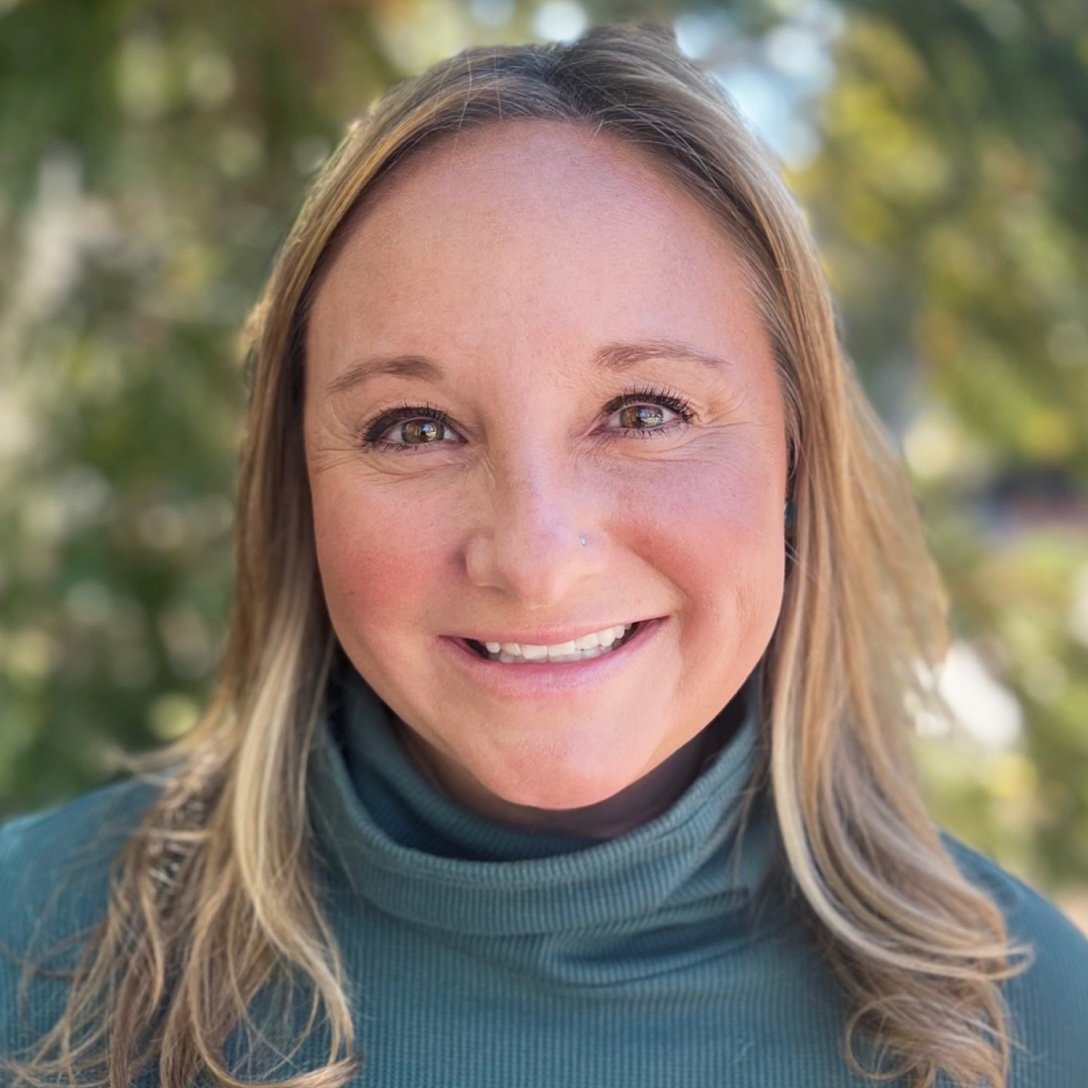
Meet the All Points North Team












Does insurance cover anxiety treatment at APN?
Most major insurance plans cover mental health treatment, including residential care when medically necessary. APN's admissions team verifies your benefits during your initial call and will explain your coverage before you commit.
Frequently Asked Questions
How do I know if I need residential treatment for anxiety?
Residential care may be appropriate if:
- Your anxiety symptoms are severe
- Outpatient treatment hasn’t led to improvement
- You have co-occurring conditions that complicate treatment
- Your current environment is a major anxiety trigger
Our admissions team can help assess the right level of care.
Can anxiety disorders be fully resolved?
Many people experience significant or complete remission of anxiety symptoms with proper treatment. CBT alone produces lasting improvement in the majority of cases. The key is getting the right treatment at the right intensity.
What if I'm already on medication and it's not working?
APN's psychiatrists specialize in treatment-resistant cases. A fresh evaluation in a controlled setting allows for careful medication adjustment, often uncovering issues with dosing, drug interactions, or misdiagnosis.
Does insurance cover anxiety treatment at APN?
Most major insurance plans cover mental health treatment, including residential care when medically necessary. APN's admissions team verifies your benefits during your initial call and will explain your coverage before you commit.
Ready To Stop Managing And Start Treating?
Call APN's admissions team at 970.591.6710. We are available 24/7 for a confidential conversation about your anxiety symptoms, insurance, and treatment options.