Social Anxiety Treatment at All Points North
Social anxiety disorder can make work, school, relationships, and everyday interactions feel harder to manage. When fear of judgment starts shaping your routine, avoiding people, opportunities, or basic responsibilities can become part of daily life.
At All Points North, treatment starts with a clinical assessment and a recommendation for the level of care that fits your needs. Depending on your situation, that may include residential treatment, PHP, IOP, individual therapy, psychiatry, virtual care through APN Connection, and selected Plus by APN services such as Deep Transcranial Magnetic Stimulation (deep TMS) or other neurotechnology when clinically appropriate.
Signs It’s Time To Get Professional Help
Occasional nervousness before a presentation is normal. Social anxiety disorder is different. Consider treatment if you:
- Avoid situations you need or want to participate in because of fear
- Spend hours or days dreading upcoming social interactions
- Experience physical symptoms like trembling, blushing, or nausea in social settings
- Use alcohol or drugs to cope with social situations
- Feel increasingly isolated and unable to maintain relationships
Take the First Step
If social anxiety has been shrinking your world, treatment can reverse that. Call APN’s admissions team at 970.591.6710 for a confidential conversation about your situation and options. The team is available 24/7 and can walk you through insurance verification, program details, and next steps.
You share
A few questions, in your own time.
We listen
An admissions specialist reviews personally.
You decide
Free, confidential, no obligation.
 APN accreditations & certificationsExplore our standards of care
How APN Treats Social Anxiety
Treatment at APN starts with an assessment. Your intake team looks at anxiety symptoms, daily functioning, sleep, trauma history, substance use, medical needs, and any co-occurring mental health concerns so the treatment plan matches your needs and level of care.
Cognitive Behavioral Therapy (CBT)
Cognitive Behavioral Therapy is a core evidence-based treatment for social anxiety. In treatment, CBT helps identify fear-based thought patterns, challenge inaccurate assumptions, and build more workable responses to social situations that currently trigger avoidance.
Exposure Therapy
Avoidance tends to reinforce social anxiety. Exposure-based work helps interrupt that cycle by approaching feared situations gradually, with support, structure, and a pace that matches your readiness. Over time, the goal is to reduce avoidance and build confidence in situations that once felt unmanageable.
Group Therapy
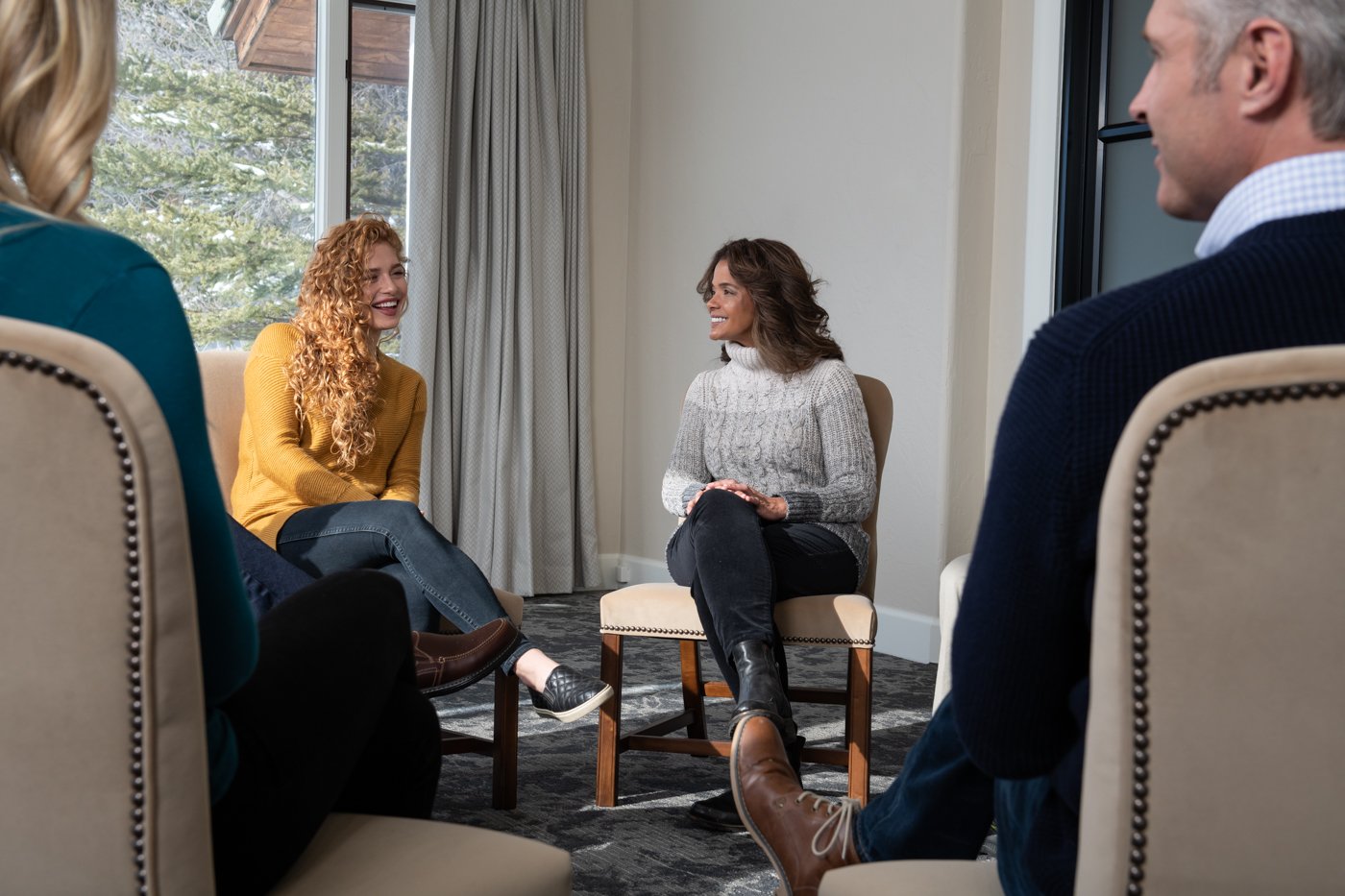
Group therapy can also be part of treatment when clinically appropriate. In a structured setting, it gives clients a place to practice communication, receive feedback, and work through the fear of being judged or embarrassed in the presence of others.
Neurotechnology
APN also offers neurotechnology and interventional psychiatry services through Plus by APN, including deep TMS and other selected services. Whether any of these options belong in a social anxiety treatment plan depends on your diagnosis, symptoms, history, and clinical evaluation.
Medication Management
Medication management may be part of care when symptoms are severe, persistent, or significantly affecting daily life. APN offers psychiatry and medication management for current clients in residential, PHP, and IOP levels of care, and your treatment team can talk through whether medication fits your plan.
What Social Anxiety Disorder Looks Like
People with social anxiety disorder often fear being judged, embarrassed, or negatively evaluated in social or performance situations. That fear can build before, during, and after an interaction, and it may show up as a racing heart, sweating, nausea, shaking, or a strong sense of self-consciousness.
Avoidance is often what makes social anxiety more disruptive over time. Someone may turn down opportunities, skip classes, avoid calls, or cancel plans to get short-term relief. Over time, that pattern can shrink work, school, and relationship functioning.
Social anxiety can overlap with depression, substance use, trauma, and other mental health concerns. When more than one issue is involved, treatment should assess the full picture rather than focusing on only one symptom area.
What Makes APN Different
APN’s continuum of care includes residential treatment at All Points North Lodge in Edwards, Colorado, along with outpatient and virtual options. For some people, stepping out of the environment where avoidance patterns have taken hold can create more room for focused treatment and skill-building.
If residential care is not the right starting point, APN also offers outpatient and virtual options across its continuum, including APN Lodge services in Edwards, APN Boulder’s mental health IOP, APN Dallas-Fort Worth, and online care through APN Connection. Program availability varies by location and clinical need.

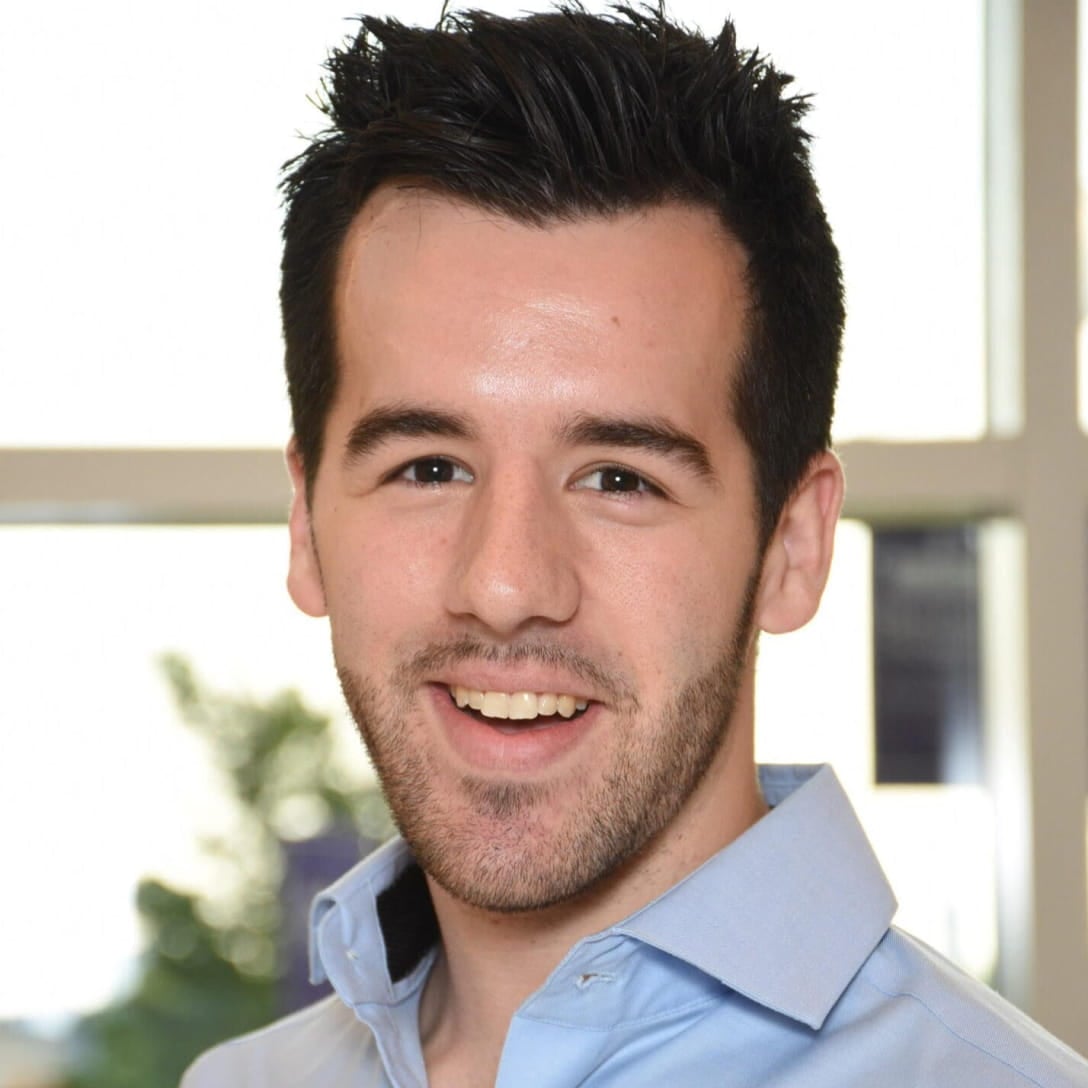
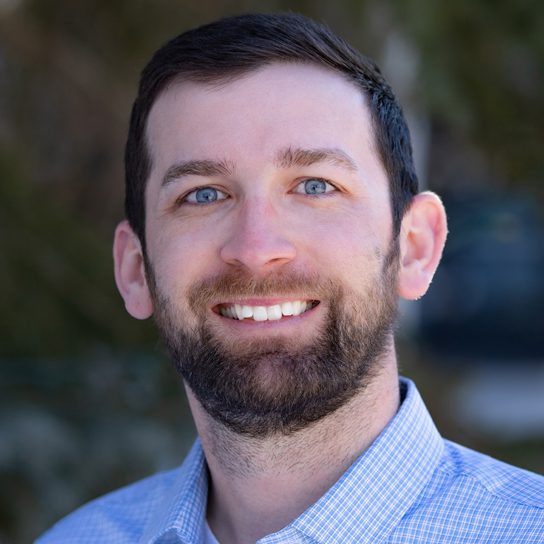
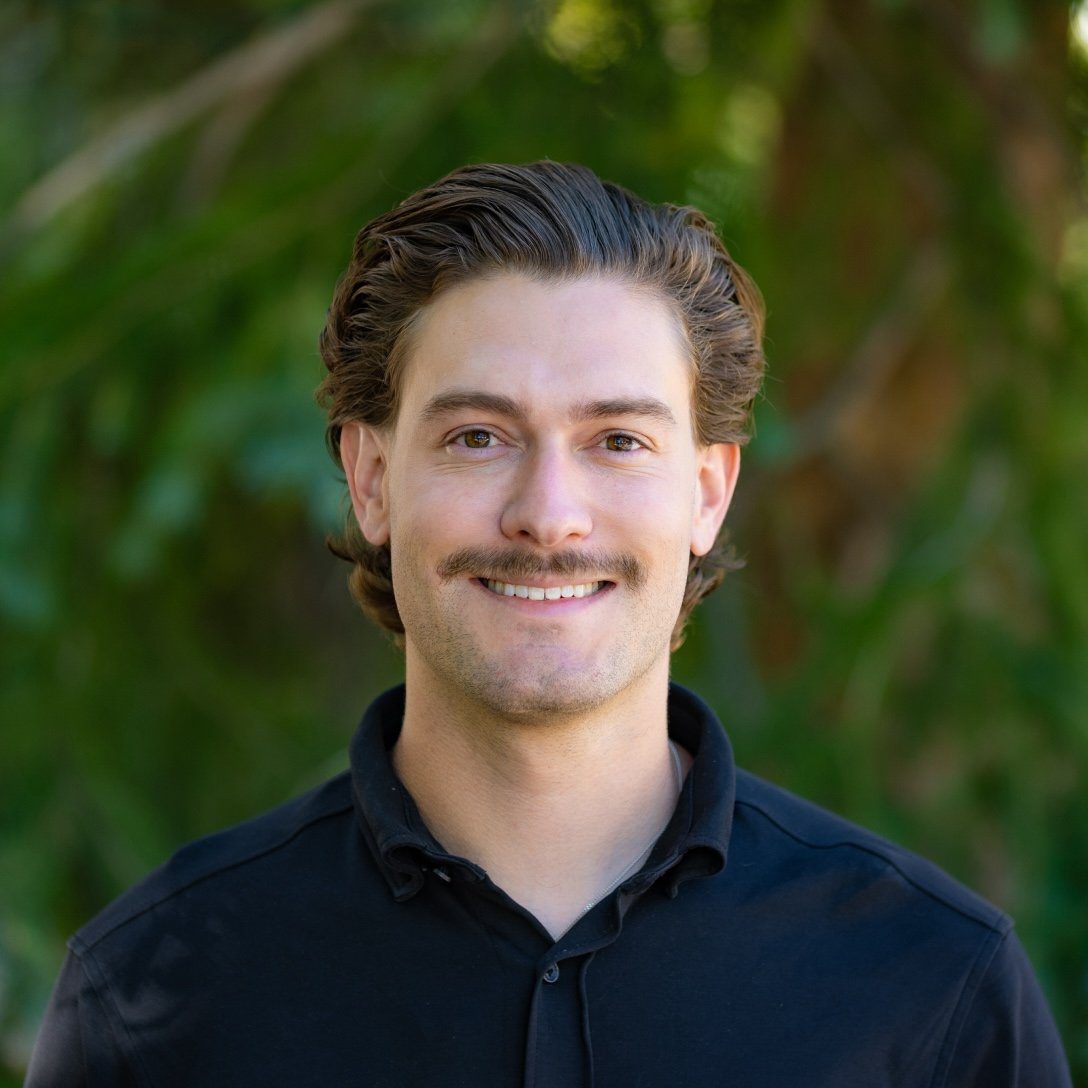
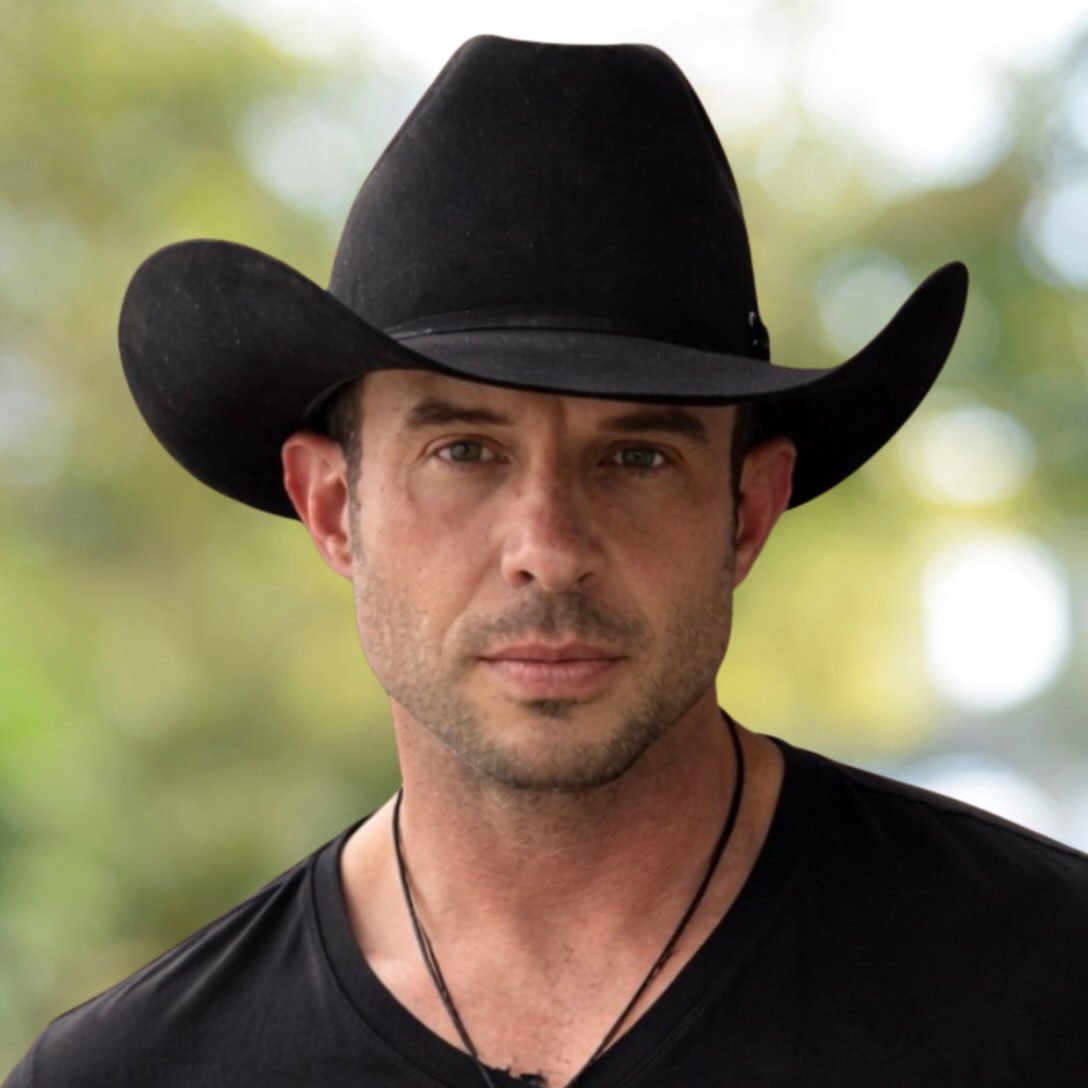
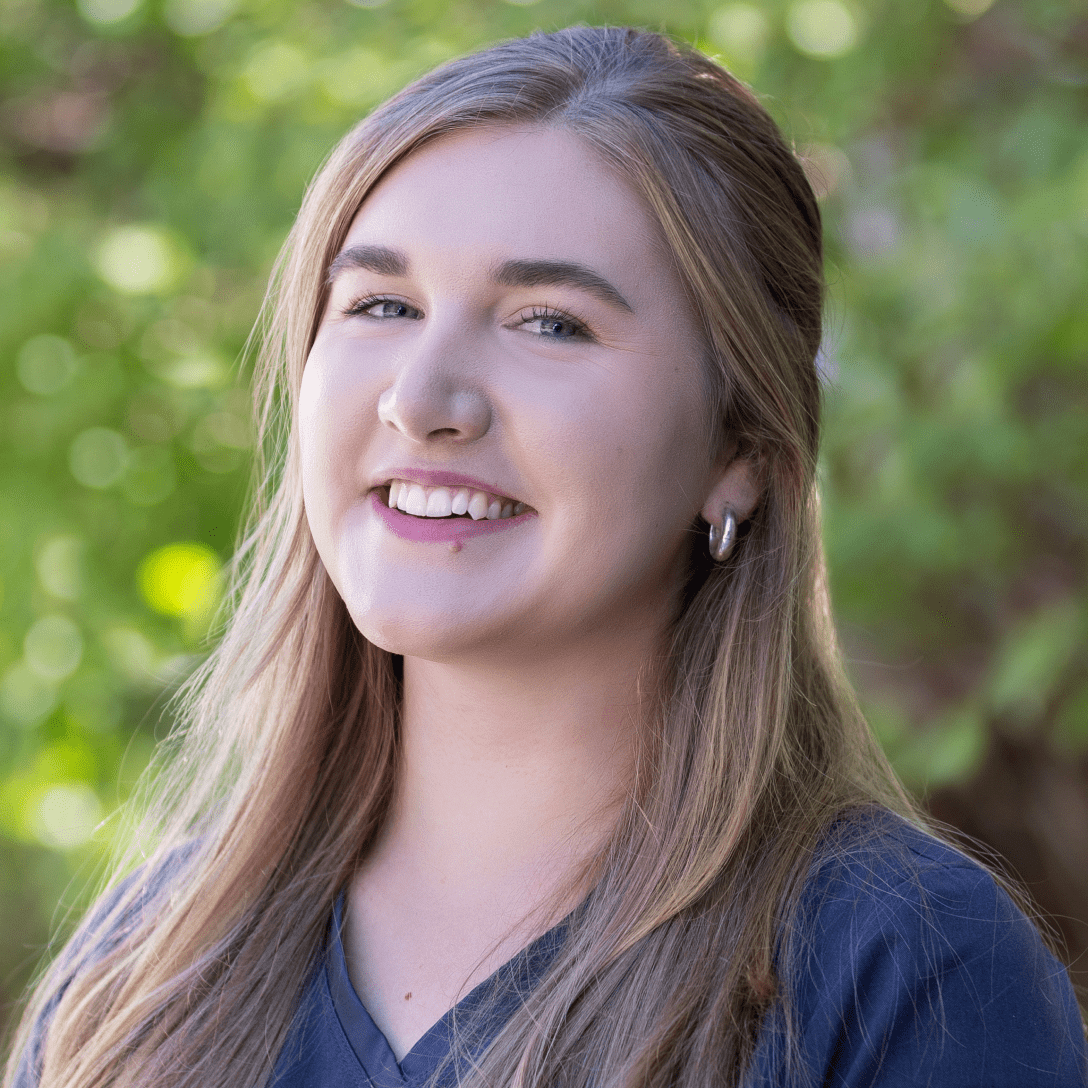
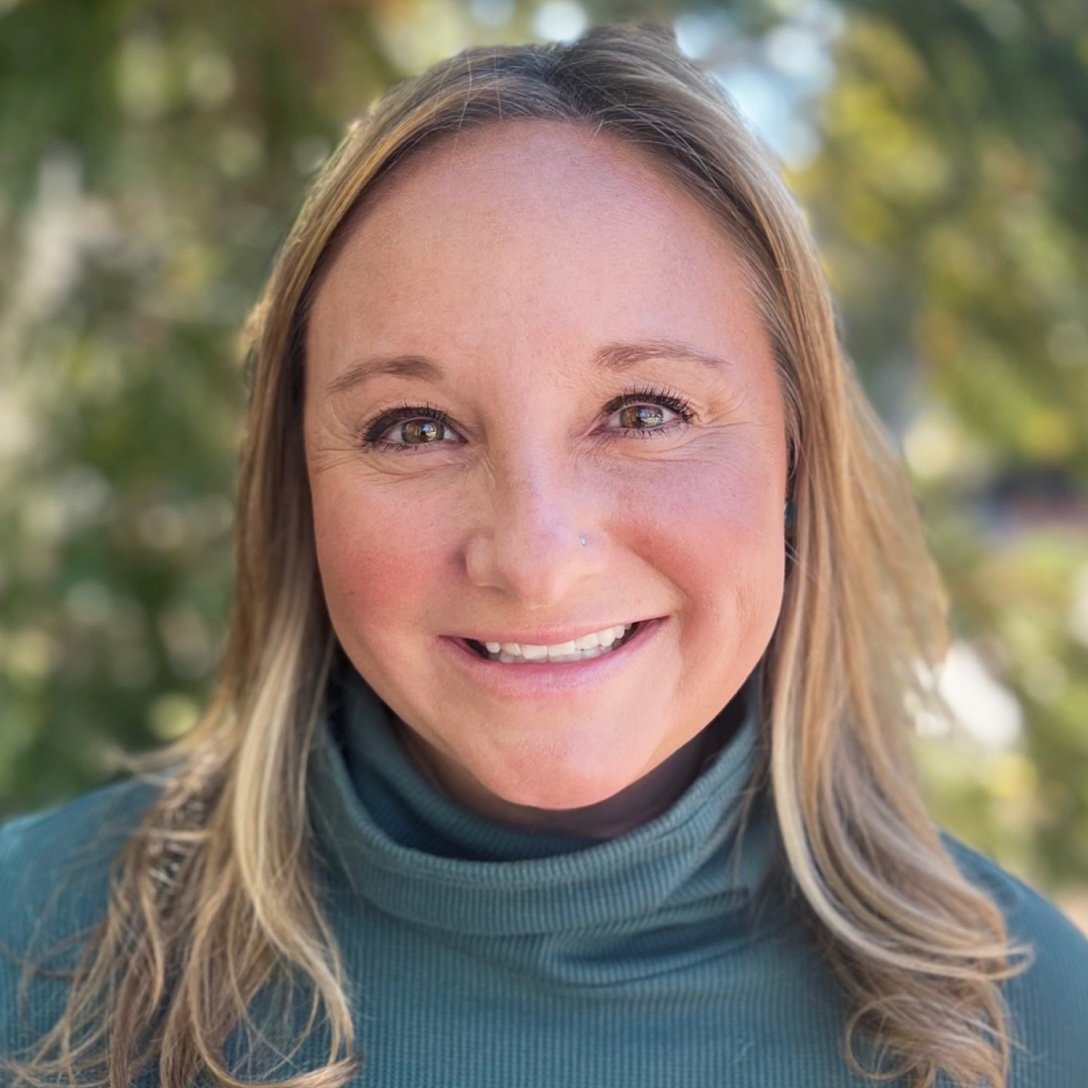
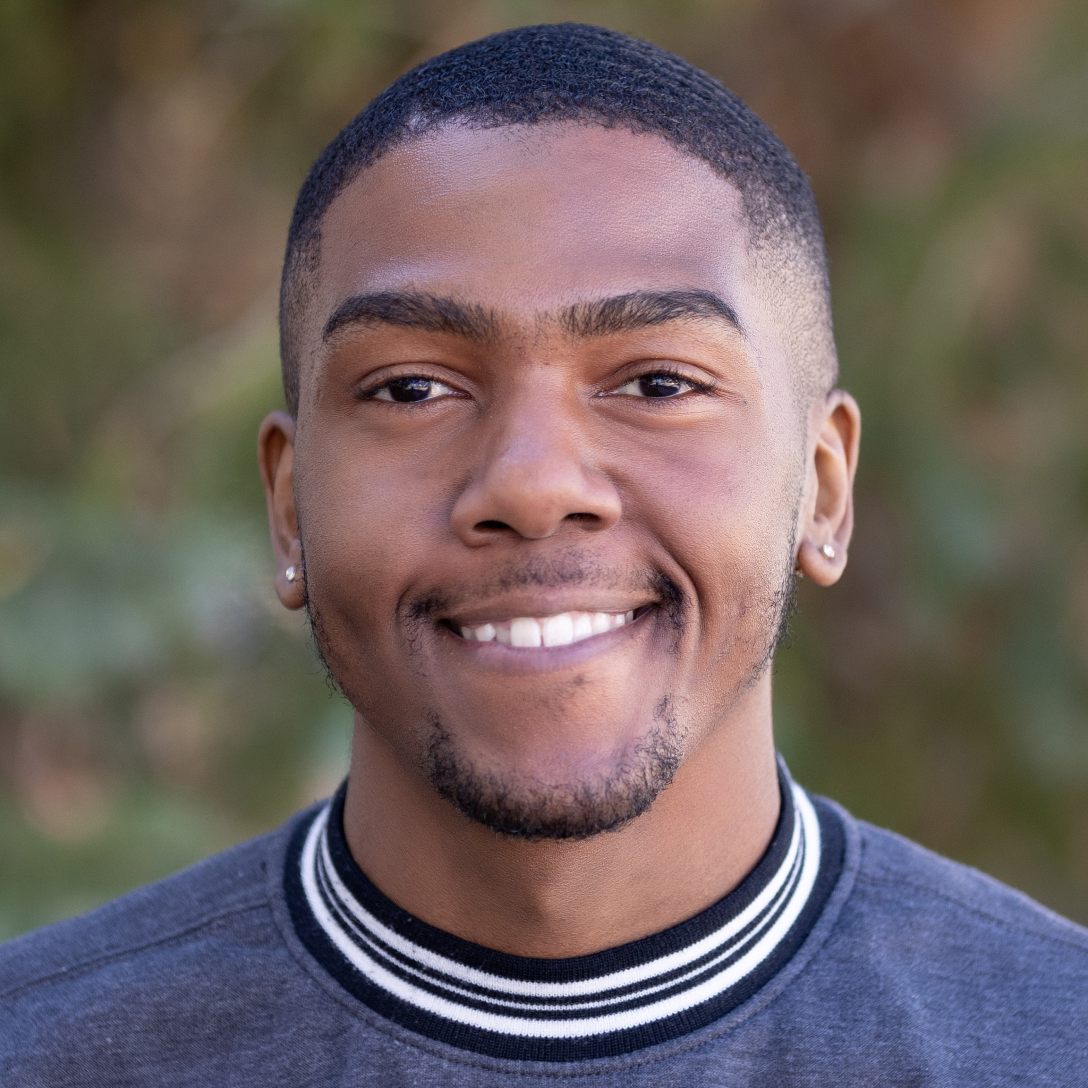
Meet the All Points North Team





Frequently asked questions
How long does social anxiety treatment take?
Residential stays typically last 30 to 90 days, depending on severity and co-occurring conditions. Outpatient treatment can continue for several months. Most people notice meaningful improvement within the first few weeks of structured treatment.
Can social anxiety be treated without medication?
Yes. CBT and exposure therapy are effective on their own for many people. Medication can accelerate progress or help with severe symptoms, but it’s not required. Your treatment team will discuss all options with you.
Does APN treat social anxiety alongside substance use?
Yes. Dual diagnosis treatment is one of APN’s core strengths. Many clients arrive using alcohol or other substances to manage social anxiety. We treat both conditions simultaneously through integrated programming.
What does a typical day in residential treatment look like?
Residential clients participate in individual therapy, group sessions, neurotechnology appointments, physical wellness activities, and structured free time. The schedule balances intensive clinical work with rest and recreation. At the Edwards location, that might include guided hikes or outdoor activities that double as exposure practice.
Take the First Step
If social anxiety has been shrinking your world, treatment can reverse that. Call APN’s admissions team at 970.591.6710 for a confidential conversation about your situation and options. The team is available 24/7 and can walk you through insurance verification, program details, and next steps.